See also
- Richard WILSON's parents: John WILSON (1767- ) and Martha BASSETT (1776-1869)
- Richard WILSON's siblings: John WILSON (1808-1891) and Jane Lydia WILSON (1815?-1898)
Richard WILSON (1806-1867)
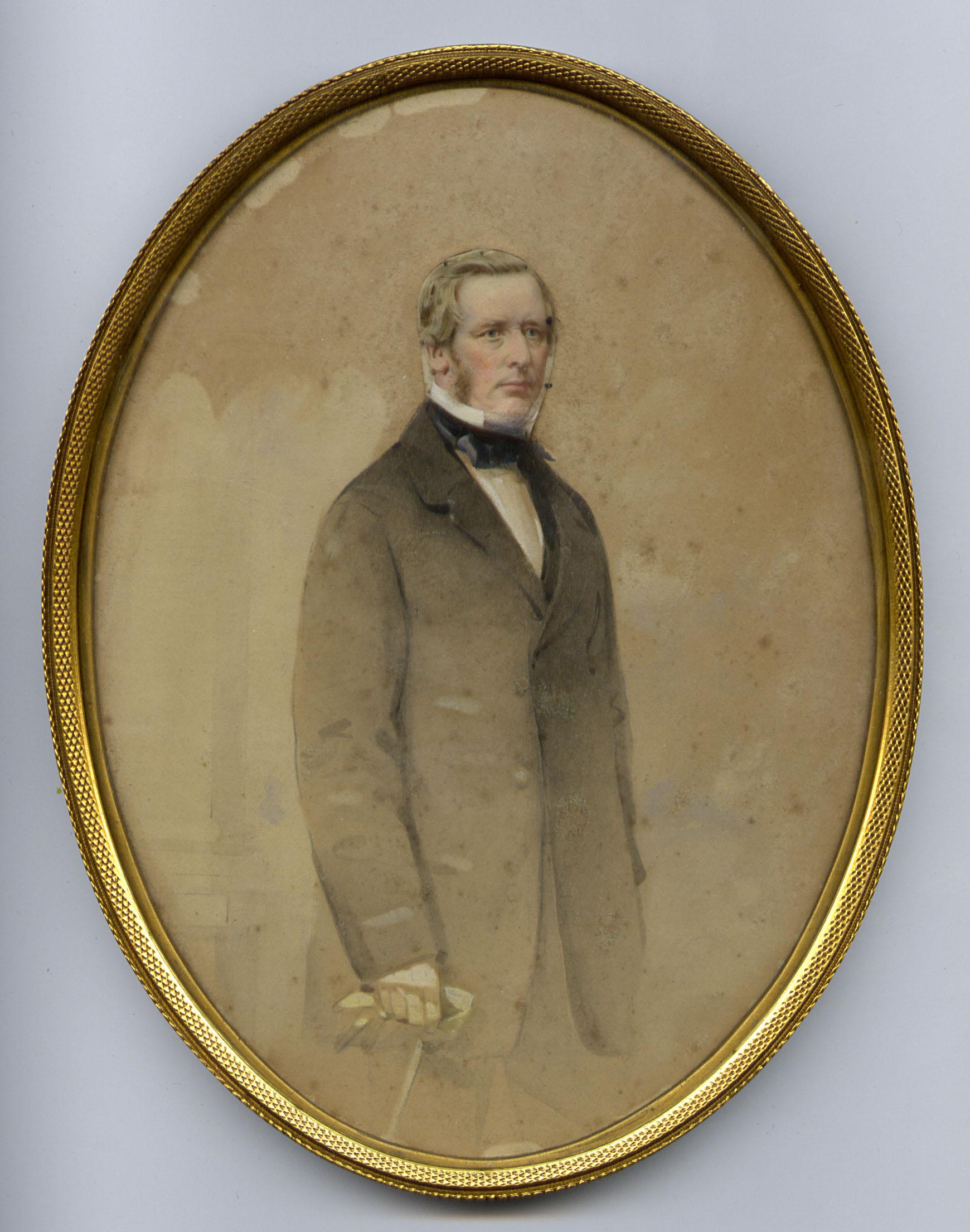
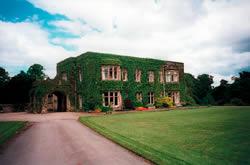
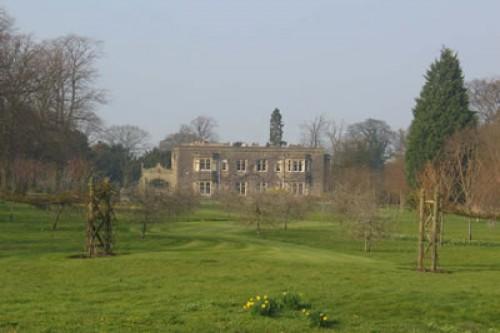
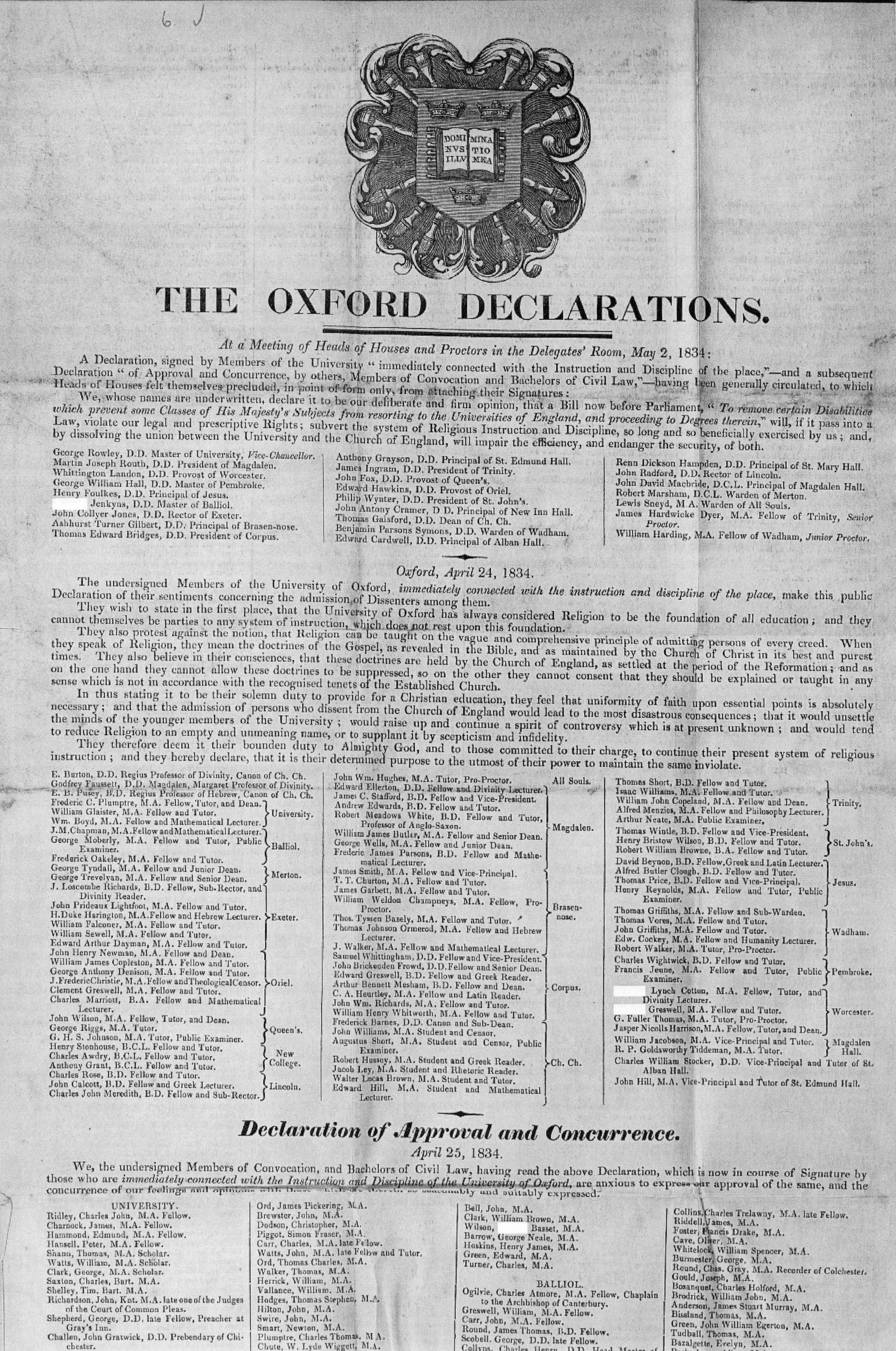
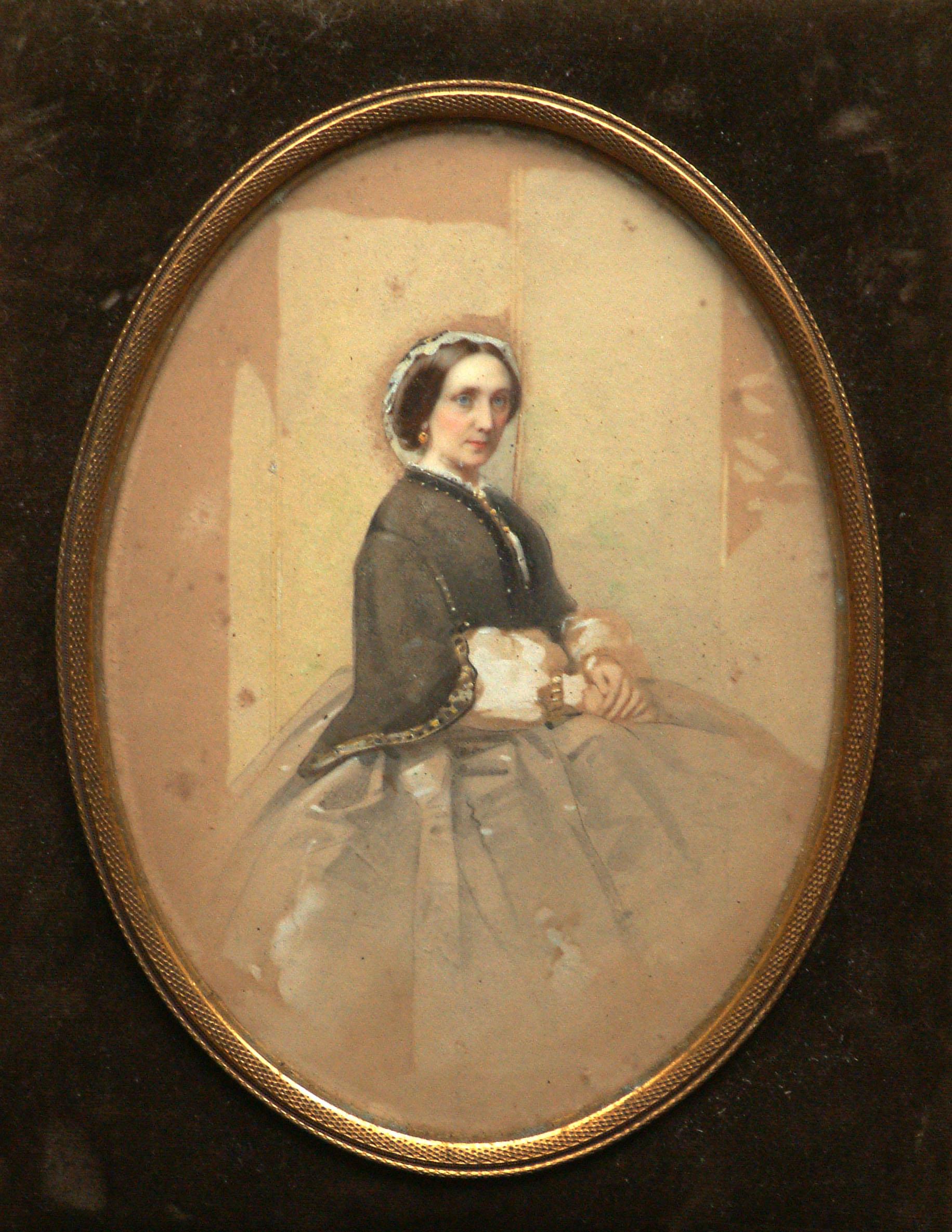
1. Richard Bassett WILSON, son of John WILSON (1767- ) and Martha BASSETT (1776-1869), was born on 3 April 1806. He was a Magistrate and Landed Proprietor. He married Anne FITZGERALD on 5 December 1839. He died on 18 February 1867.
...of Cliffe Hall, Darlington, N.Yorks. The 1851 census lists him as a "Magistrate and Landed Proprietor occupying 60 acres of land employing 12 outdoor labourers and their wives. In the house at the time was a French governess aged 43 and ten servants. In 1861 there were again ten servants and a governess, but also two gardeners, a dressmaker, and a couple more staff.
Note on Cliffe Church, and its connection with the Wilson family:
Cliffe Church, which is dedicated to All Saints, is of unknown foundation, but probably dates from Saxon times. The style of the present edifice is Early English. The fabric was thoroughly restored in 1855, when a "Priest's door," a piece of Norman work, was preserved on account of its antiquity. The tower is massive, and contains three bells, each of which bears the date 1664. The clock was presented by Mrs. Wilson, of Sea Croft Hall in 1841, and the east window, representing the four Evangelists, by Miss Sarah Wilson. There are also two stained glass windows in the south aisle to the memory of Richard Bassett Wilson, of Cliffe Hall, and Anne, his widow. The latter, representing the Raising of Jairus' Daughter, is a beautiful piece of work by Meyer, of London and Munich. There are some other stained glass memorials, and also several tablets to the Witham family, former lords of the manor, who were seated at Cliffe Hall from the middle of the 16th to the early part of the present century, when the estate was sold to the late John Wilson, Esq., grandfather of the present Colonel J. G. Wilson, The roof of the nave is open, with four clerestory windows on each side. The pulpit and font, both of white stone, were the work of Mr. Priestman, of Darlington, and a handsome, carved oaken screen and reredos, erected, in 1876, by Colonel Wilson [Richard Murrough Wilson], were executed by Henry Harwood, of Manfield. The lectern, also of oak, was the gift of Miss Yeoman, In the churchyard are several old tombstones, supposed to belong to the 13th and 14th centuries.
Manfleld School A Glimpse into the Past,..
In the 1850's school building was taking place all over England and Wales. In the countryside the schools were predominantly Anglican, in the towns Methodist and to a lesser extent Roman Catholic, The reasons for this were varied. There was a genuine belief in the value of education and a humane impulse to better the lot of everyone.
In addition Victorian industry and farming had a diminishing need for child Labour. Children - urchins are what they were called - were becoming a nuisance, especially in the towns. Schools had a custodial as well as educational purpose, which in part accounts for their church like architecture with high windows. Manfield is no exception to this development.
In 1858 Richard Bassett Wilson, the then owner of Cliffe Hall and Estate gave one rood, two perches of land and an endowment for building Manfield Church of England School. It was at the same time that the Church was restored. The new building replaced a Dame's School, which stood on the site of what is now Four Oaks.
Its purpose or "Mission Statement' was clear. It was ' for the education of children and adults, or children only of the labouring, manufacturing and other poor classes in the Parish of Manfield.' This meant the education given was to be elementary, the 3 R's, reading/writing, 'rithmetic and religion. Children from better off backgrounds would attend Grammar Schools where Latin and Greek were pursued if not taught - Richmond, Kirby Hill ("closed before the First World War) Polam Hall and the Darlington Grammar Schools were the nearest.
The Minister or his Curate was to be in charge of the school, supported by a body of Church Wardens who were to ntribute 20 shillings a year to the upkeep of the school. When funding members resigned or died they could be replaced by others who were qualified by membership of the Anglican Church and subscription of at least 10 shillings a year, which bought one vote. Up to a maximum of six votes could be purchased for a donation of three pounds.
There is nothing in the original trust deeds about the qualifications of the teachers apart from the headlined fact that ' the Master or Mistress must be a member of the Church of England' The grounds for sacking a teacher were clear - 'defective or unsound instruction of the children in religion' The emphasis on the religious worthiness of the teacher was, in part, due to the ferment in the Victorian Church. Charles Darwin was to publish ' The Origin of Species' in 1859. The ideas it contained about species evolving over tens of millions of years had been common for at least thirty years - there was great interest in fossil collecting, an activity undertaken by scholarly gentlemen. The view that man shared a common line of ancestry with the apes challenged orthodox religious teaching which one instance dogmatically asserted that the world had been created in 4004 BC. It is doubtful whether these debates reached Manfield and if they did it is a near certainty that they were not mentioned in the village school. Of more interest is a photograph from 1883 showing Miss Sophie Haines aged 23 with 30 school children. Those identified are Harry, Esther and Mary Boyd, the generation of the great grandparents and grandparents to Mrs. Graveney's family. There is also Mary Gowton and Jack Tweddle. Others have not been identified but no doubt have descendants living In the area.
Children left school early in those days. In 1870 school was compulsory till 12. In 1902 the leaving age was raised to 13, in 1918 to 14. In 1944 the age went up to 15 and in 1973 to 16. Several villagers still remember the endless school gardening they were given to do when there was little for older pupils to do, especially in the post war years when books were in short supply.
In the mid 1950's the school ceased to be an all age elementary school.
Those who passed the eleven plus or 'scholarship' transferred to Richmond Girls High School or Boys' Grammar School or to the Richmond Secondary Modern - now combined as the Richmondshire School and one of the highest achieving in the country.
Manfield Church of England School still educates children aged 5 - 11 in a Christian ethos and has been praised in OFSTED and other reports for the all round achievement of its pupils.
When the school opened the telephone had been invented, but was not in use, there was no electricity, the car was at least thirty years away, the modern bicycle did not exist and manpower meant just that - a lifetime of heavy physical work in farms or in factories for men, and for women, long hours in domestic service or shops. In 2003, 145 years since Manfield School was founded a pupil at eleven is not half way through his/her education as the effective leaving age is now 18 because of Sixth Form Education and Vocational Training Schemes.
From a History of Manfield:
.... the following years have been difficult to trace, therefore the next record found was that of 1751, when the village belonged to Lord Marmion, the owner of Tanfield. Then, just over a hundred years later, in 1857, Richard Basset Wilson became owner. In 1823, when Edward Bains published his History Directory an Gazeteer of the county of York, he had this to say about Manfield: Manfield, in the wapentake of Gilling East, and liberty of Richmondshire: 9 miles north of Richmond; a parochial village; the church is an ancient structure with a tower steeple, and is dedicated to St Michael. The living is a rectory, in the patronage of the King. Here is a small free school, with an endowment of 10l. per annum. Population 440.
Cambridge University Alumni
Richard Bassett Wilson
Entered: Oct. 22, 1824
Died: 23 Mar 1867
More Information: M.A. 1833, incorp. from Oxford. [Eldest s. of John, Esq., of Seacroft Hall and Cliffe Hall, Yorks. (and Isabella, dau. of Richard Bassett). B. Apr. 3, 1806.] Matric. from University College, Oxford, Oct. 22, 1824, age 18; B.A. (Oxford) 1829; M.A. (Oxford) 1833. Adm. at Lincoln's Inn, 1829. Of Cliffe Hall, Yorks. Married, Dec. 5, 1839, Anne, dau. of William Fitzgerald, Esq., of Adelphi, Co. Clare, and had issue. Died Mar. 23, 1867. Brother of John (1825). (Al. Oxon.; Inns of Court; Burke, L.G., which gives Feb. 18 for date of death; G. Mag., 1867, I. 683.).
He studied at University College, Oxford and then at Lincoln's Inn for the law. The 1851 census lists him as a "Magistrate and Landed Proprieter occupying 60 acres of land employing 12 outdoor labourers and their wives. In the house at the time was a French governess aged 43 and ten servants. In 1861 there were again ten servants and a governess, but also two gardeners, a dressmaker, and a couple more staff". He performed the duties of a typical man of the gentry, including endowing a local school and helping the poor. There are two stained glass windows in the local Manfield Church dedicated to the memory of Wilson and his wife.
Anne FITZGERALD, daughter of William H.W. FITZGERALD (1789-1872) and Juliana Cecilia FITZGERALD ( - ), was born. She appeared in the census. She died on 11 July 1877. She and Richard Bassett WILSON had the following children:
| +2 | |
| +3 | |
| +4 | |
| +5 | |
| +6 | |
| +7 | |
| +8 | |
| +9 |
Second Generation
2. Juliana Cecilia WILSON, daughter of Richard Bassett WILSON and Anne FITZGERALD, was born on 11 September 1840. She married Thomas Charles Johnson SOWERBY on 14 September 1865. She died on 15 November 1898.
In the year after her husband's death, the family were staying in Cornwall at her sister Augusta Bolitho's house, along with her sister Mary Lucia and a butler, footman, cook, lady's maid, three servants, two housemaids and a scullery maid. This according to the 1891 census. No children of the Bolitho's were listed, and it is not known if they had any.
Thomas Charles Johnson SOWERBY of Snow Hall, Darlington, Yorks, JP was born on 7 August 1838 in Ketton, Rutland. He died on 15 November 1890. He and Juliana Cecilia WILSON had the following children:
| +10 | |
| +11 | |
| +12 | |
| +13 | |
| +14 | |
| +15 | |
| +16 |
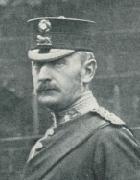
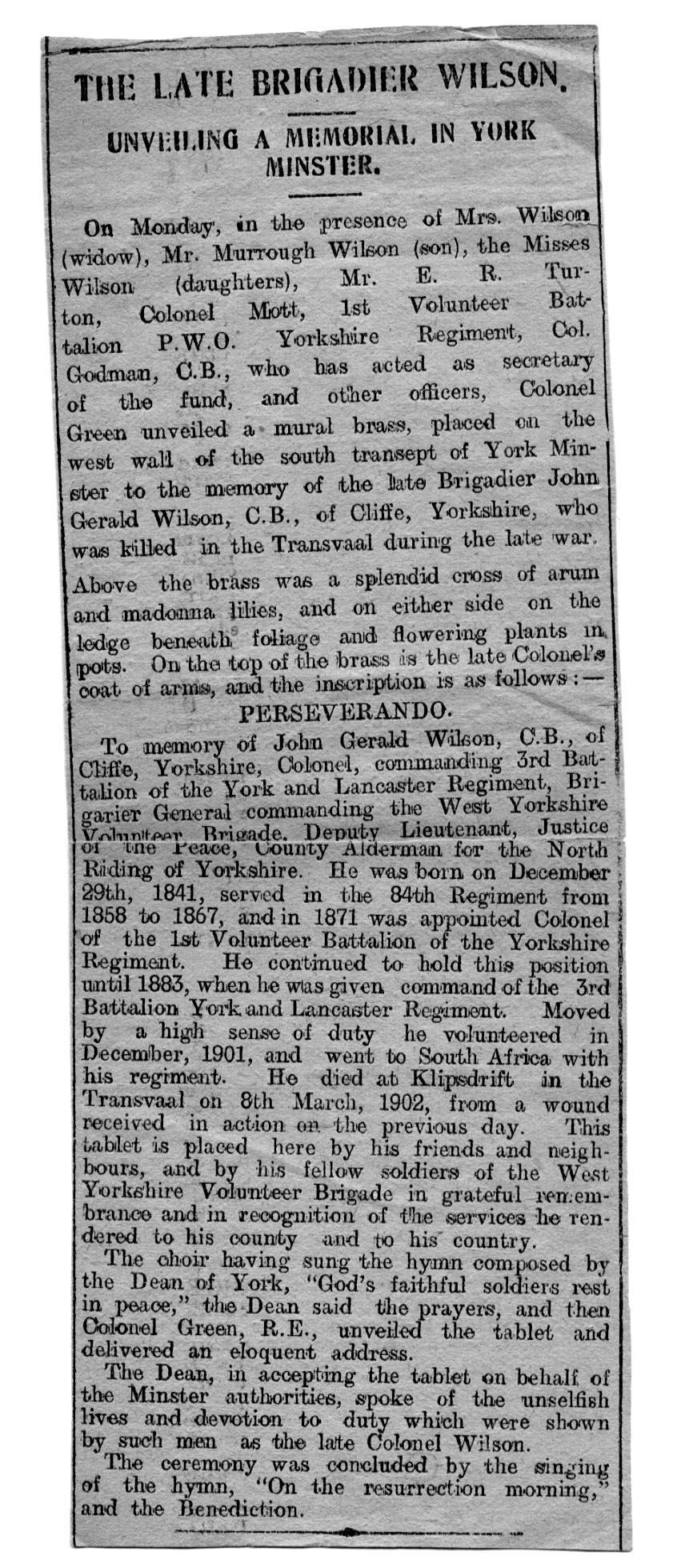
3. John Gerald WILSON CB, son of Richard Bassett WILSON and Anne FITZGERALD, was born on 29 December 1841 in Yorkshire, Man[s]field. He was a Colonel in the Army. He married Angelina Rosa Geraldine O'BRIEN on 4 June 1873. He died on 8 March 1902.
John Gerald Wilson of Cliffe was Colonel, 3rd Battalion, York and Lancaster Regiment.
"Wilson. - Col. John Gerald Wilson, C.B., commanding 3rd Batt. York and Lancaster Regt., died March 8th, 1902, of wounds received in action between Tweebosch and Palmietkuil the previous day. He was the eldest son of the late Richard Bassett Wilson, Esq., of Cliffe, by his marriage with Anne, daughter of the late William Fitzgerald, Esq., of Adelphi, co. Clare. Col. Wilson was born in 1841, and educated at Cheltenham. He joined the 84th Regt. in 1858 from the Royal Military College as an ensign. After the death of his father in 1867, and his succession to the family estate of Cliffe Hall, Piercebridge, Darlington, he retired from the army as a capt., but subsequently accepted a commission in the volunteer force, and in 1873 was appointed to the command of the 1st North Yorkshire Rifle Volunteers. From the latter he was transferred in 1883 to the command of the 3rd West Yorkshire Militia, now the 3rd Batt. York and Lancaster Regt., and in 1889 he was appointed to the command of the West Yorkshire Volunteer Brigade. He was awarded the C.B. on the occasion of the Diamond Jubilee of Her late Majesty Queen Victoria in 1897, and was hon. col. of the 2nd Volunteer Batt. Prince of Wales’s West Yorkshire Regt. His battalion was first embodied in Dec., 1899, being disembodied after twelve months?service. It was again embodied in Dec., 1901, and volunteering for active service proceeded to South Africa. In the course of the war, Col. Wilson lost a brother (Col. Richard B. Wilson) and a son (2nd Lieut. Richard B. Wilson). The name of Col. J. G. Wilson is inscribed on the Eleanor Cross War Memorial erected at Cheltenham College."
His service record from the eighty-fourth regiment:
"Wilson, John Gerald, C.B.-Born at Cliffe Hall, Darlington, December 29th, 1841. From R.M.C. to Ensign 84th Foot without purchase December 31st, 1858; Lieutenant by purchase December 19th, 1862; Captain by purchase December 4th, 1866; Retired by sale of his Commission September 13th 1867; Lieutenant-Colonel 1st North York Rifle Volunteers June 9th, 1871; Resigned January, 1883; Lieutenant-Colonel 3rd Battalion York and Lancaster Regiment January 20th, 1883. Went with the 3rd Battalion to the South African War in 1901, and died of wounds received in action on March 2nd, 1902, while with Lord Methuen's column between Tweebosch and Palmietkiul. Served in Malta April 3rd, 1865, to June 13th, 1866."
Extract from The Last Post - Roll of Officers who fell in South Africa 1899-1902 by Mildred G Dooner, published by Naval and Military Press.
ALDBROUGH is a township containing 1,807 acres and 400 inhabitants. The soil is fertile, and in a high state of cultivation. The gross estimated rental of the township is £2,685, and the rateable value, £2,421. Eleanor, dowager duchess of Northumberland, is lady of the manor, and the most extensive landowner;
Col,. J. G. Wilson, Cliffe Hall, owns 145 acres; Messrs. Hutchinson and Shipton, 22 acres; and Miss Spencely, six acres besides cottage property.
Angelina Rosa Geraldine O'BRIEN, daughter of Rev. the Hon. Henry O'BRIEN ( - ) and Unk UNK ( - ), was born circa 1852 in Ireland. She and John Gerald WILSON had the following children:
| +17 | |
| +18 | |
| +19 | |
| +20 | |
| +21 | |
| +22 | |
| +23 | |
| +24 |
4. William Henry FITZGERALD-WILSON, son of Richard Bassett WILSON and Anne FITZGERALD, was born on 22 April 1844. He was a Barrister. He married Isabella Olave STANHOPE on 21 November 1885. He died on 17 April 1932.
(Adelphi, Corofin, co. Clare).
Isabella Olave STANHOPE, daughter of Russell Charles STANHOPE of Parsonstown Manor, co. Meath ( - ) and Ellinor Avena BLACKBURNE ( - ), was born in March 1861. She died on 28 November 1941. She and William Henry FITZGERALD-WILSON had the following children:
| +25 | |
| +26 |
5. Mary Lucia WILSON, daughter of Richard Bassett WILSON and Anne FITZGERALD, was born in 1844 (estimated) in Kilnarsola, Co. Clare, Ireland. She died on 20 January 1930.
It is likely that she never married. She had not married by 1891, which was her 48th year. In fact, according to the 1901 census, she was living, aged 57, with her brother Maurice.
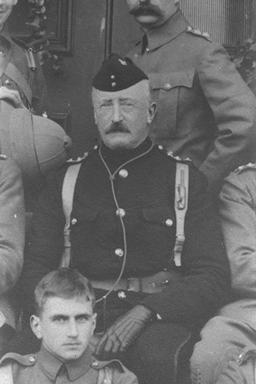
6. Colonel Richard Bassett WILSON, son of Richard Bassett WILSON and Anne FITZGERALD, was born in 1846 in Cliffe Hall, Piercebridge. He was a Colonel in the Army. He died on 21 March 1901.
Born in 1846 at Cliffe Hall, Piercebridge, he was educated at Rugby and University College, Oxford. He joined 3 (Militia) DLI in 1870 and rose to Honorary Colonel in 1893. He took his battalion to South Africa in January 1900 and was Mentioned in Despatches in February 1901. He died of enteric fever and pnuemonia at Kroonstad, on 21 March 1901. He was made a Companion of the Order of St. Michael and St. George for his service in the Boer War. Richard Wilson's brother and nephew also died in the Boer War of wounds received in action.
These medals are located in Medal Case 29, Display Group 39:
Order: St Michael & St George
Queen's South Africa (1899-02)
"War Office, March 4 1902.
MEMORANDUM
IMPERIAL YEOMANRY.
The undermentioned Officers resign their commissions and receive new commissions subject to the provisions of the Militia and Yeomanry Act, 1901, each retaining his present rank and seniority, viz.:-
(...) Yorkshire Hussars (Princess of Wales's Own). (...) Lieut.H.B.de la P.Beresford-Peirse, D.S.O."
A couple weeks later, on Friday, March 14th, he attended "a service (...) held (...) at Manfield Church, near Darlington, in memory of Colonel J.G.Wilson, C.B., of Cliffe-hall, who was killed at Klip Drift. (...) The lych-gates at the entrance to the churchyard were erected last June by public suscription in memory of Colonel Wilson's son, who also died in South Africa".
The latter, Lieutenant Richard Bassett Wilson, had died at Rustenburg on July 26th, 1900, of wounds received in action five days previously at Oliphant’s Nek - he was an officer of the Yorkshire Hussars.
It is to be noted that an unofficial tribute medal was awarded by the "Committee of the Yorkshire Volunteer Equiptment & Emergency Fund" to all members of the 3rd battalion (Yorkshire) Imperial Yeomanry "in recognition of their patriotism and the good service rendered by them in South Africa".
Hart's Annual Army List:
Richard Bassett Wilson, 3rd Battalion Durham Light Infantry (1st Durham Militia)
2nd Lieut or Ensign 18th July 1865
Lieut 8th April 1870
Captain 4th July 1874
Appointed to Reserve 7th July 1880
Born in 1846 at Cliffe Hall, Piercebridge, he was educated at Rugby and University College, Oxford. He joined 3 (Militia) DLI in 1870 and rose to Honorary Colonel in 1893. He took his battalion to South Africa in January 1900 and was Mentioned in Despatches in February 1901. He died of enteric fever and pnuemonia at Kroonstad, on 21 March 1901. He was made a Companion of the Order of St. Michael and St. George for his service in the Boer War. Richard Wilson's brother and nephew also died in the Boer War of wounds received in action.
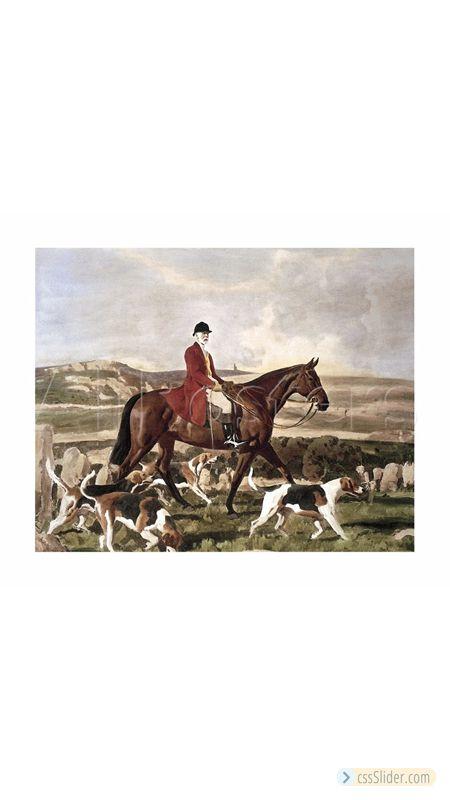
7. Augusta Jane WILSON, daughter of Richard Bassett WILSON and Anne FITZGERALD, was born on 28 May 1848. She married Thomas Robins BOLITHO on 30 June 1870 in Westminster.
Thomas Robins BOLITHO was born on 13 September 1840. He had the title 'JP for Cornwall, DL'. He was a Director of Barclays Bank (following the absoption of Bolitho's - the family bank - in 1905. He died on 28 September 1925.
8. Emily Gertrude WILSON, daughter of Richard Bassett WILSON and Anne FITZGERALD, was born after 1851. She married James Fitzgerald BANNATYNE on 17 December 1878. She died on 10 October 1928.
The only clue as to the identity of this woman was through an internet search which revealed "Palk manuscripts in the possession of Mrs. Bannatyne of Haldon, Devon" by Emily Gertrude Wilson Bannatyne...
( London: H.M.S.O (1922) 492p. [Palk, Robert. Sir, Indian army officer: Manuscripts. 1769- 1786.]).
James Fitzgerald BANNATYNE, son of James BANNATYNE (c. 1800- ) and Harriet FITZGERALD ( - ), was born in 1835. He died on 18 October 1915. He and Emily Gertrude WILSON had the following children:
| +27 | |
| +28 | |
| +29 |
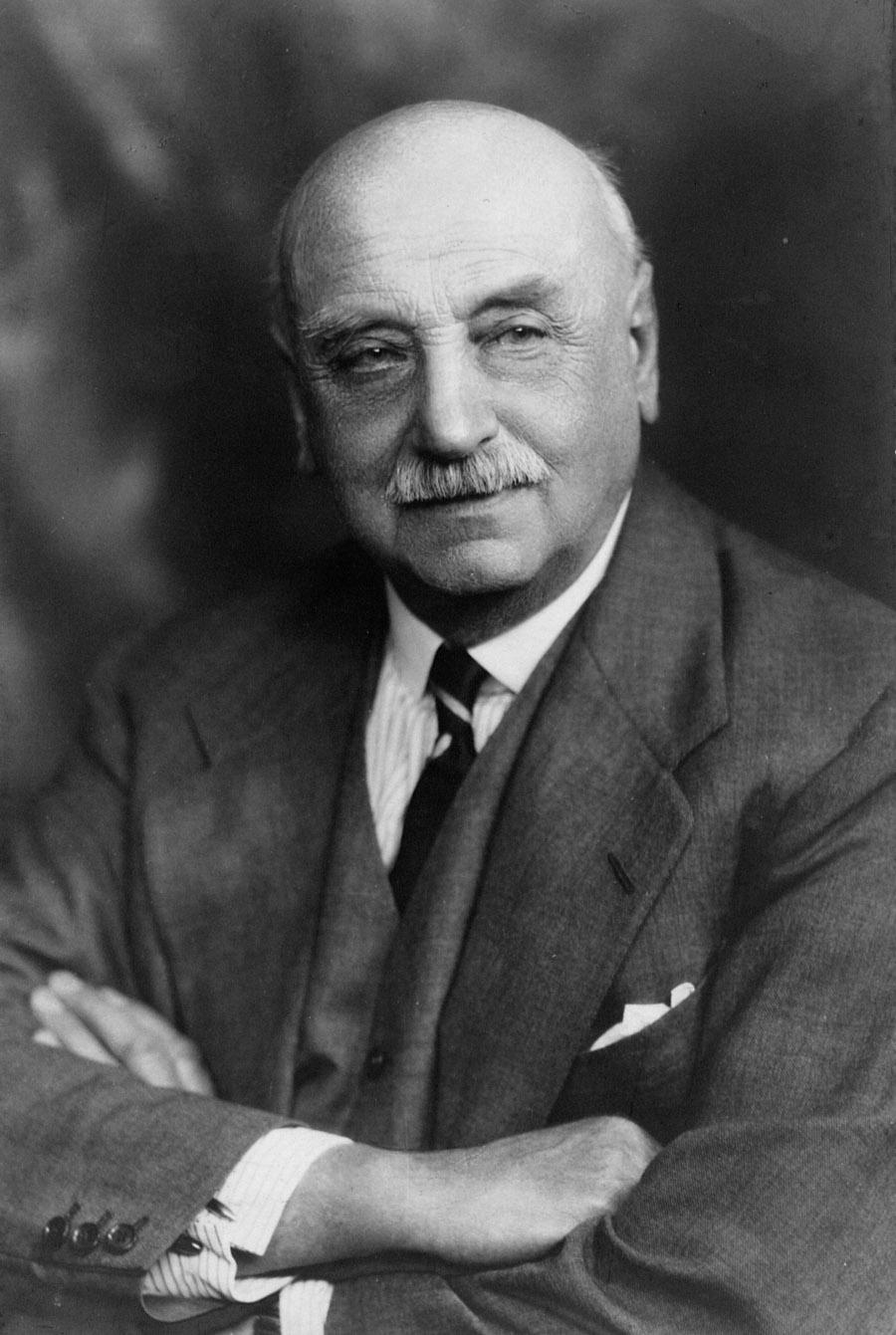
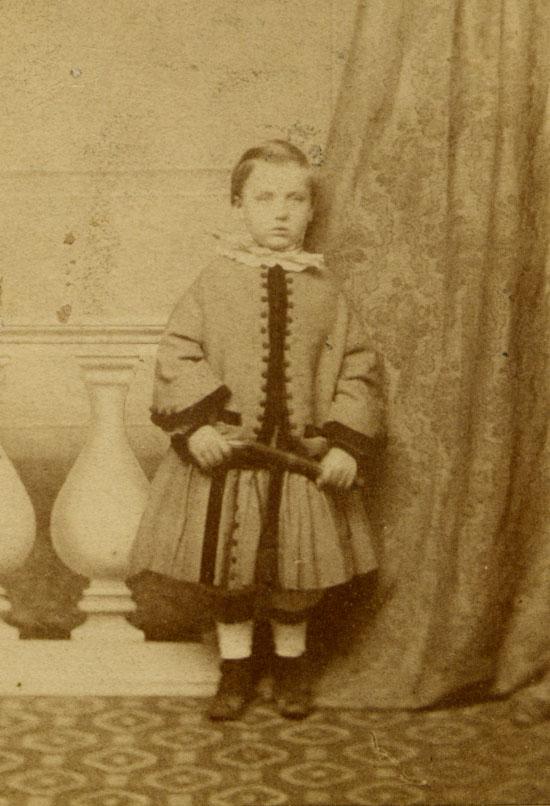
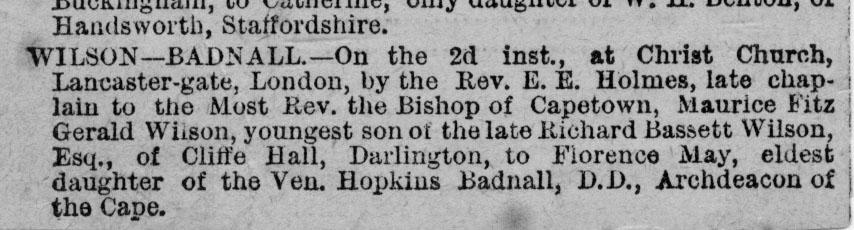
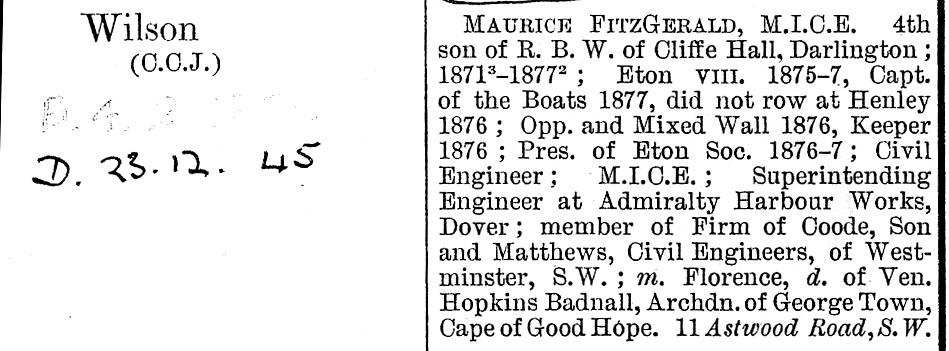
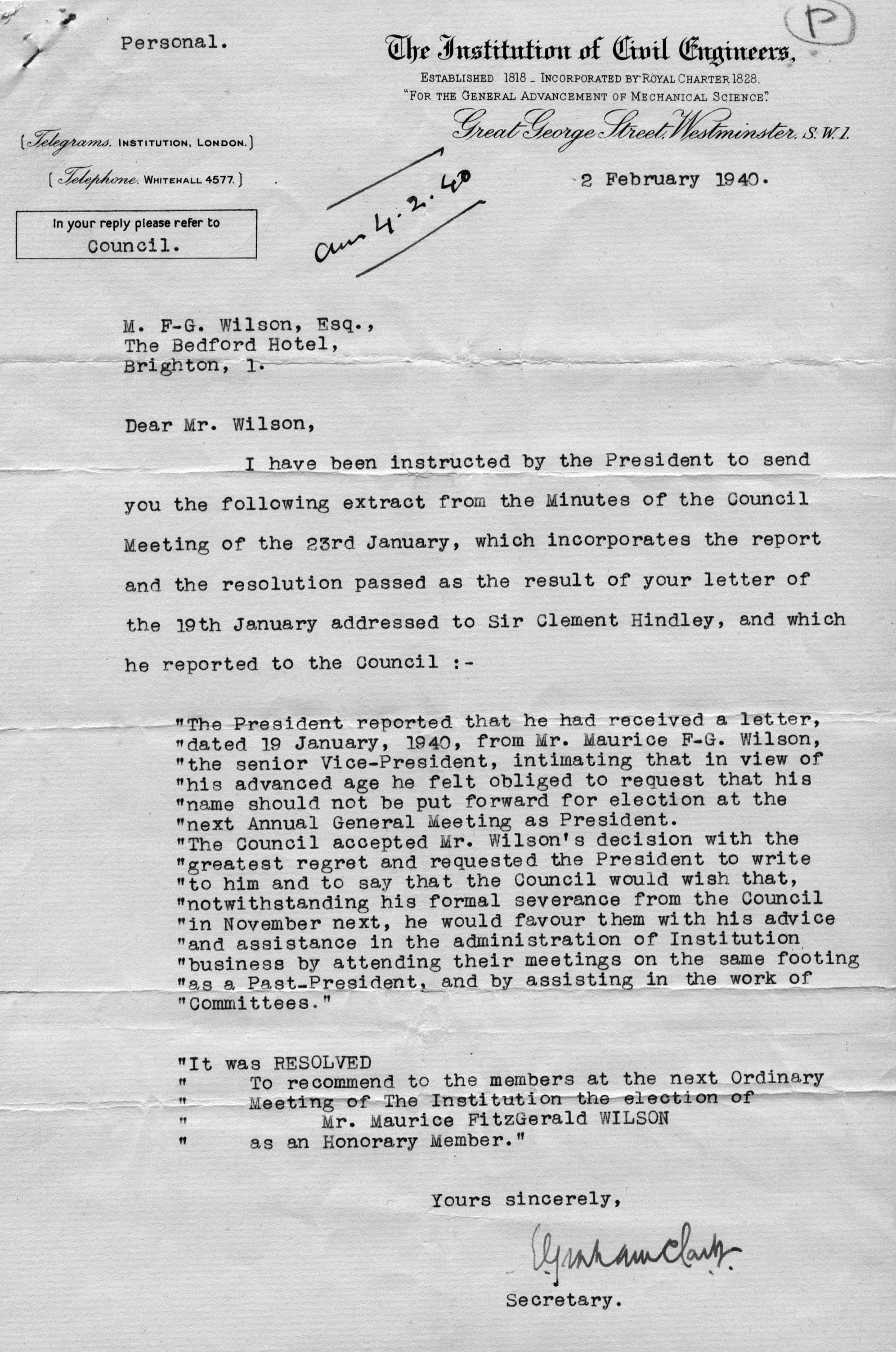
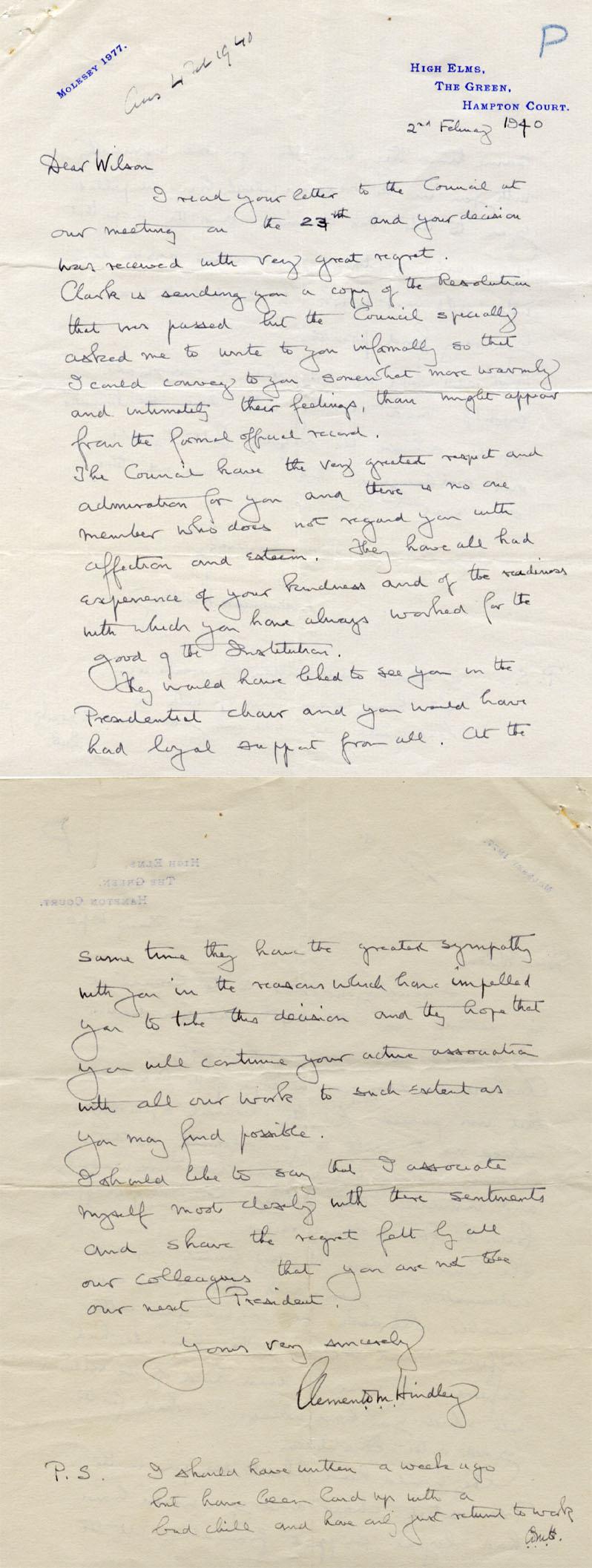
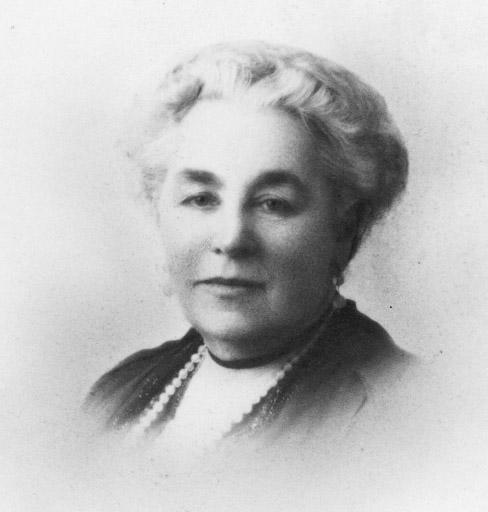
9. Maurice Fitzgerald WILSON, son of Richard Bassett WILSON and Anne FITZGERALD, was born on 4 February 1858 in London. He was a Civil Engineer. He was confirmed on 20 October 1874. He married Florence May BADNALL on 2 August 1884. He died on 23 December 1945. He was buried in December 1945.
Maurice Fitzgerald Wilson was born on the 4th February, 1858, and died on the 23rd December, 1945. He was educated at Eton and at the Crystal Palace School of Engineering, and, after a short period at the Thames Ironworks, was articled in 1881 to Sir John Coode, K.C.M.G., Past-President Ins. S.E., spending most of his pupilage on the harbour works at Table Bay and Port Elizabeth. From 1883 to 1886 he was engaged on constructional work at Tilbury Docks for Messrs. Kirk and Randall and Messrs. Lucas and Aird, for whom he also worked on the Bodmin and Wadebridge Railway. In 1888 he was appointed resident engineer on the construction of the breakwater at St. Ives, Cornwall. From 1892 to 1895 he was resident engineer on the dock works of the London and South western Railway at Southampton. In 1896 he was appointed superintending engineer in charge of the survey for the Admiralty harbour, Dover, and later for the construction of the works, on which he was engaged until 1905. In 1906 he joined the firm of Coode, Son and Matthews, of which in 1924, on the death of Sir Maurice Fitzmaurice, Past-President Inst. C.E., he became senior partner. For nearly forty years he was engaged in the design and construction of harbours, docks, sea defence works, bridges and barrages, including dock extnesions for the Mersey Docks and Harbour Board; the Admiralty harbour of refuge at Peterhead; Fishguard harbour; the Lyttelton and gisbourne harbours, New Zealand; wharves and docks at Singapore; the Jahore causeway; Colombo harbour; entrance works and wharves at Lagos; harbour works on the Gold Coast, in Sierra Leone, and in Gambia; and work for the Whangpoo Conservancy Board, Shanghai. In 1921 he was appointed a member of the consultative committee of engineers of the European Commission for the Danube. From 1929 to 1933 he was in charge of the technical investigation of the proposed Severn barrage, upon which the report issued in 1933 was based.
Mr. Wilson was elected an Associate Member of the Institution on the 5th February, 1884, and was transferred to the class of Member onthe 12th February, 1895. He was elected to the Council in November 1928 and became Vice-President in November 1937, but declined nomination for election as President in November 1940 owing to ill health. In the previous February he had been elected an Honorary Member of the Institution. In 1919 he presented a Paper on the Admiralty Harbour, Dover, for which he was awarded the George Stephenson Gold Medal and a Telford premium. He was a member of the Sea Action Committee and later acted as its Chairman. For many years he took a leading part in the work of the British Standards Institution, of which he was Chairman from 1922 to 1933, and honorary life chairman of its Engineering Divisional Council.
In 1884 he married Florence May, daughter of the Venerable Hopkins Badnall, Archdeacon of the Cape, and had two sons. Mrs. Wilson died in 1941.
Obituary, published in the Journal of Institution of Civil Engineers, vol. 26, 1945-6.
Letter written to Maurice's son Fiennes' "Brass Hat" - a reference to his son's promotion within the Royal Navy? An image of the original letter is viewable as a Multimedia Object.
My dear Brass Hat,
Though you have been well known to me by name and reputation for some years I have never yet been brought into intimate relations with you so that in writing to offer you my congratulations I feel I should introduce myself lest you might think me presumptious. I understand you are now to adorn the head (of diminishing thatch?) of my son, up till this morning at 0000? hours a Lieutenant Commander R.N. and he, being as I have just said, my son, I introduce myself to you as his father. This will be clear and no doubt satisfactory. I feel it is a matter on which I may offer natural?? congratulations both to yourself and my son. To yourself fu?, though you will seldom have but? what I must describe as a birds eye view of him, you will I am sure be always comfortable and fairly well treated except upon the comparatively rare occasions when you may perchance be used as a water bucket or a football. At any rate I am sure you never be inconvenienced or pressed by any undue swelling of the temples. I am sure you will always be treated with consideration though you must not expect to be wrapped up in cotton wool. You will be carried high and will be naturally looked up to, provided this does not develope [sic] a squint. Nest?? in any case you may be sure the intention will be there.
My son I think must also receive my heartiest congratulations on having become your possessor. It is a prize he has long looked forward to with hopes of obtaining and I need not tell you with what pride and pleasure his mother and I saw? and I may call the announcement of your marriage in the papers this morning. This letter is therefore to wish you every success in your future journeyings together.
Please therefore accept these wishes yourself and convey them to Commander Wilson from his very loving
Father.
Maurice was at Eton College from 1871-1877. Whilst there he was awarded an enormous engraved pewter tankard for being "second in junior pulling"[!!]
Maurice Fitzgerald reached the top of his profession of civil engineering. His work included the building of the harbour at St. Ives in Cornwall, where there is a plaque. The details of his distinguished career are given in his obituary - printed below. Maurice's grandson Peter entered the same firm two generations later, where he spent his entire career, ending up as Managing Director, when the firm of Coode and Partners ceased to be a partnership.
Maurice was invited to become President of the Institute of Civil Engineers, but declined for family reasons. The correspondence about this is documented here.
Florence May BADNALL, daughter of The Venerable Hopkins BADNALL (1821-1892) and Sarah Elizabeth OWEN-SMITH (1839-1903), was born on 8 February 1858 in Cawthorne, Yorks. She died on 31 January 1941. She was buried in February 1941. She and Maurice Fitzgerald WILSON had the following children:
| +30 | |
| +31 |
Third Generation
10. Captain Charles Fitzgerald SOWERBY RN, son of Thomas Charles Johnson SOWERBY of Snow Hall, Darlington, Yorks, JP and Juliana Cecilia WILSON, was born on 31 July 1866. He was a Captain in the Royal Navy. He died on 31 May 1916 in Battle of Jutland.
Career sailor from Wycliffe captain of HMS Indefatigable which was lost at the Battle of Jutland. Charles Fitzgerald Sowerby was born on 31 July 1886 at Wycliffe Hall. His father was Thomas Charles Johnson Sowerby (1839-1890) who was originally from Ketton, Rutland. Thomas Sowerby served as a Lieutenant in the South Durham Militia and was described in census records as a landowner and magistrate. Charles’ mother was Julian Cecilia Sowerby nee Wilson (1841-1898) herself the daughter of a landowner and born at Cliffe Hall, Manfield, Yorkshire.
Charles’ parents married in 1865 in Darlington and had a family of five sons and three daughters. In 1871 Charles was living at home which was at Snow Hall, Gainford. His career led to significant travel but his home base remained one of Snow Hall, the Manor House at Rushyford and Blackwell Grange in Darlington.
Charles enrolled in the Royal Navy on 15 January 1880 at the age of 13 as a midshipman. He spent his entire career in the Royal Navy rising from midshipman, the lowest rank of officer in the navy, to captain over a period of 36 years. His progression was through the following ranks; ensign, sub-lieutenant, lieutenant, commander and captain. He served on a wide variety of ships from HMS Martin a wooden sailing brig to HMS Indefatigable a battlecruiser and lead ship of her class. The first ship he captained, commencing 3 June 1905, was HMS Isis an eclipse-class protected cruiser. The Isis was posted as tender to HMS Britannia, the cadet training ship at Dartmouth where Charles had previously served as commander.
As befits a career sailor, Charles travelled widely. In the 1881 census he is recorded as being on board HMS Vernon in Portsmouth harbour. In the 1901 census he is shown on board HMS Victorious in Malta. In 1907 he was temporarily assigned to the Naval Intelligence Department which was followed by a four year posting to the British Embassy in Washington DC USA as Naval Attaché. He travelled to this posting first class from Liverpool to New York on board the Campania on 31 November 1908.
Charles returned to the United Kingdom and took command of HMS Indefatigable on 24 February 1913. When the First World War began, Indefatigable was serving with the 2nd Battlecruiser Squadron (BCS) in the Mediterranean. The ship bombarded Ottoman fortifications defending the Dardanelles on 3 November 1914, then, following a refit in Malta, returned to the United Kingdom in February where she rejoined the 2nd BCS. In April 1915 Charles was awarded a good service pension of £150 per year. The Royal Navy at the time awarded 12 of these pensions each year to captains who merited them for distinguished service at sea.
Indefatigable was sunk on 31 May 1916 during the Battle of Jutland, the largest naval battle of the war. Part of Vice-Admiral Sir David Beatty’s battlecruiser fleet, she was hit several times in the first minutes of the opening phase of the action. Shells from the German battlecruiser Von der Tann caused one explosion that ripped a hole in her hull while a second explosion hurled large pieces of the ship in the air. Only two of the crew of 1,019 survived. Stories at the time related that the two survivors, Able Seaman Elliott and Leading Signalman Falmer, tried to support Captain Sowerby in the water but he was too badly wounded to survive.
Charles lost his life at the age of 49 and it was not possible to recover his body for burial. He is remembered on the Plymouth Naval Memorial.
Civil Parish: Barnard Castle
Birth date: 31-Jul-1866
Death date: 31-May-1916
Armed force/civilian: Navy
Residence: Wycliffe Hall, Yorkshire, England (1866 birthplace)
Snow Hall, Gainford (1871 census)
HMS Vernon, Portsmouth Harbour, Hampshire (1891 census)
HMS Victorious, Malta (1901 census)
Washington DC, USA (1908 navy list)
Blackwell Grange, Darlington (1916 probate record)
Employment: Captain, Royal Navy
Military service:
Royal Navy
Sub-lieutenant, 22 September 1886
Lieutenant, 22 September 1888
Commander, 30 June 1900
Captain, 01 January 1905
HMS Martin, 1888
HMS Orwell, 1888
HMS Vernon, 1889
HMS Collingwood, 1893
HMS Renown, 1897
HMS Victorious, 1901
HMS Britannia, 1903
HMS Isis, 1905 (Captain)
Naval Intelligence Department, 1907
Naval Attaché, Washington DC, USA, 1908
HMS Indefatigable, 1913 (Captain)
Battle of Jutland 31 May 1916 (killed in action)
Medal(s): Star
Victory Medal
British War Medal
Mentioned in despatches (London Gazette, 6 July 1916)
Memorial(s): Plymouth Naval Memorial
Battle of Jutland Memorial, St Michael’s Church, in Grounds of Brooksby Agricultural College, Melton, Leicestershire
Sowerby Family Memorial, All Saints Church, Manfield, North Yorkshire
Gender: Male
Contributed by David D, Stanley, Co Durham.
11. Mabel Frances SOWERBY, daughter of Thomas Charles Johnson SOWERBY of Snow Hall, Darlington, Yorks, JP and Juliana Cecilia WILSON, was born circa 1868 in Gainford, Co. Durham.
12. Edith Mary SOWERBY, daughter of Thomas Charles Johnson SOWERBY of Snow Hall, Darlington, Yorks, JP and Juliana Cecilia WILSON, was born circa 1870.
13. William Bassett SOWERBY, son of Thomas Charles Johnson SOWERBY of Snow Hall, Darlington, Yorks, JP and Juliana Cecilia WILSON, was born on 13 April 1870. He was a Colliery Company Assistant Secretary (1891). He married Lena HUNTER on 13 April 1900.
(Newcastle-on-Tyne).
Lena HUNTER was the daughter of William HUNTER ( - ). She and William Bassett SOWERBY had the following children:
| 32 | Guy Spencer SOWERBY (1905- ). Guy was born on 5 August 1905. |
14. Edward Chaytor Sowerby SOWERBY, son of Thomas Charles Johnson SOWERBY of Snow Hall, Darlington, Yorks, JP and Juliana Cecilia WILSON, was born on 2 September 1872. He married Muriel MUIR.
(Sudborough, Northants).
Muriel MUIR was the daughter of J Gardiner MUIR ( - ). She and Edward Chaytor Sowerby SOWERBY had the following children:
| 33 | Maurice Eden SOWERBY (1874-1920). Maurice was born on 5 December 1874. He was an Army Officer and Under-Secretary of State, Ministry of Communication in Egypt and Palestine. He died on 28 January 1920. |
| 34 | Gerald SOWERBY (1878- ). Gerald was born on 31 July 1878. He married Mabel Marguerite ANNESLEY on 14 January 1904. |
| 35 | Thomas Muir SOWERBY (1908- ). Thomas was born on 6 September 1908. |
15. Mary Gertrude SOWERBY, daughter of Thomas Charles Johnson SOWERBY of Snow Hall, Darlington, Yorks, JP and Juliana Cecilia WILSON, was born circa 1882.
16. Gerald SOWERBY, son of Thomas Charles Johnson SOWERBY of Snow Hall, Darlington, Yorks, JP and Juliana Cecilia WILSON, died on 6 November 1913. He married Mabel Marguerite ANNESLEY.
Mabel Marguerite ANNESLEY and Gerald SOWERBY had the following children:
| 36 | Gerald Francis ANNESLEY ( - ). Gerald married Elizabeth JOCELYN on 3 August 1927. |
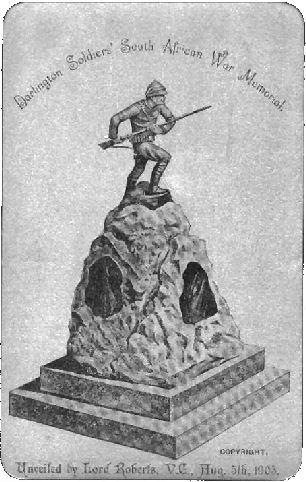
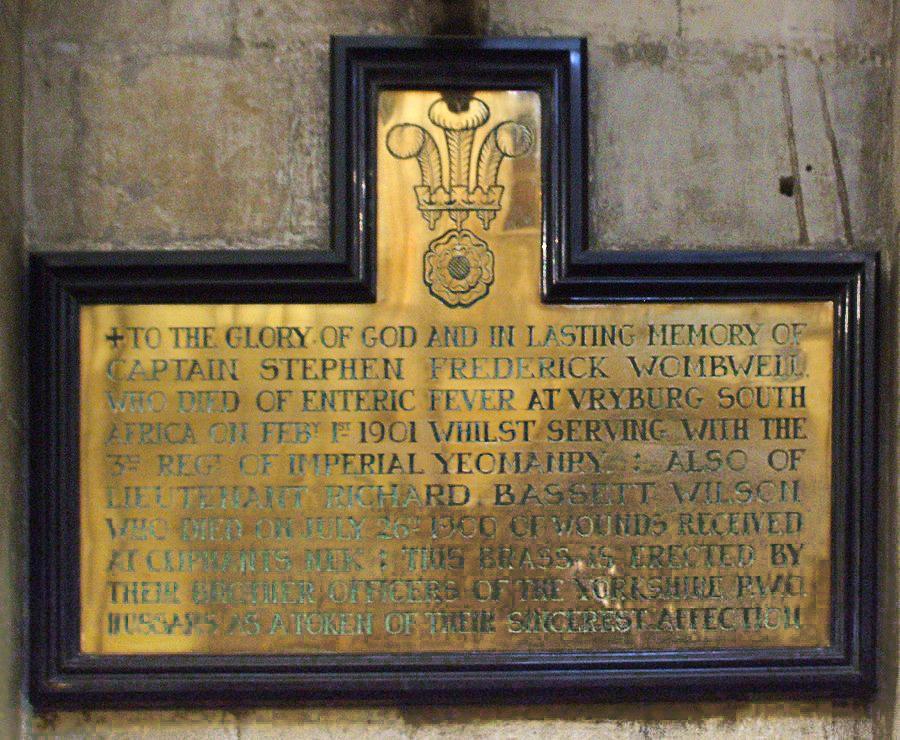
17. Richard Bassett WILSON, son of John Gerald WILSON CB and Angelina Rosa Geraldine O'BRIEN, was born in 1874 in Yorkshire, Manfield. He was a Lieutenant, Imperial Yeomanry. He died on 26 July 1900.
Lieutenant, Imperial Yeomanry
( Extract from The Last Post - Roll of Officers who fell in South Africa 1899-1902 by Mildred G Dooner, published by Naval and Military Press)
"Wilson. - Lieut. Richard Bassett Wilson, 3rd Batt. I.Y., died at Rustenburg on July 26th, 1900, of wounds received in action five days previously at Oliphant’s Nek. He was the eldest son of Col. John Gerald Wilson, C.B., commanding 3rd Batt. York and Lancashire Regt. He was born in 1874, and educated at Eton (Mr. Broadbent’s) and New College, Oxford. He entered the Yorkshire Hussars (Princess of Wales’s Own) Yeomanry Cavalry in Jan., 1900, and joining the I.Y. as lieut. went to South Africa on the 26th of the same month. Lieut. Wilson was a barrister, having been called to the bar on the day of his departure. A tablet has been erected to his memory in York Minster by his brother officers of the Princess of Wales’s Own Yorkshire Hussars as a token of their sincere affection."
He was born in 1874, and educated at Eton and New College, Oxford. He entered the Yorkshire Hussars (Princess of Wales' Own) Yeomanry Cavalry in Jan.1900, and joining the I.Y. as lieutenant. He went to South Africa on the 26th of the same month. Lieut. Wilson was a barrister, having been called to the bar on the day of his departure. A tablet has been erected to his memory in York Minster.
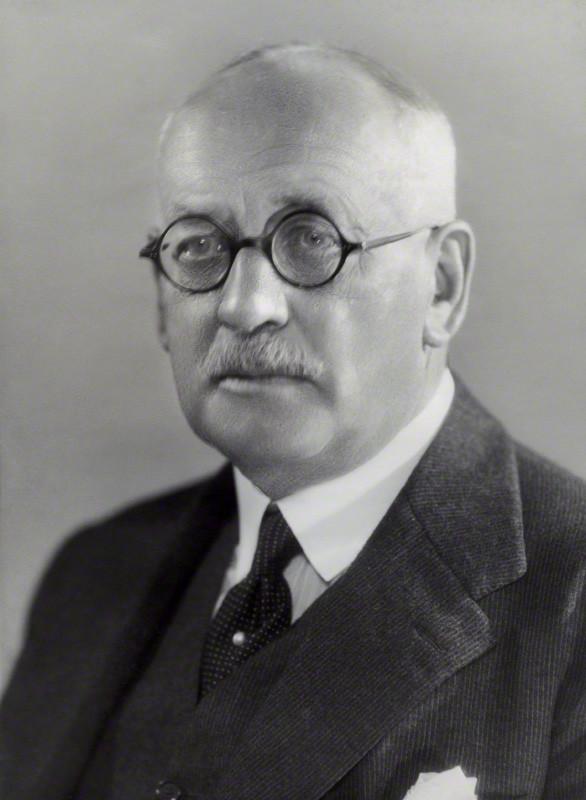
18. Lieut Col Sir Murrough John WILSON JP, KBE, son of John Gerald WILSON CB and Angelina Rosa Geraldine O'BRIEN, was born on 14 September 1875 in Yorkshire. He had the title 'DL for North Riding, Yorks'. He was a Lieutenant-Colonel in the Army, Unionist Member of Parliament for Richmond, Yorks. He married Sybil May MILBANK on 16 February 1904.
... of Cliffe Hall, Yorks
Unionist MP in 1924 for Richmond, Yorks.
...It was Saturday July 24 1954, the Sir Murrough Wilson Cup against Walworth, when his 10-30 helped rout Walworth for 60 in reply to Cockerton's 73. Maurice and four others had failed to trouble the scorers....
Sybil May MILBANK was the daughter of Sir Powlett Charles John MILBANK 2nd Baronet ( - ) and Edith Mary GREEN-PRICE ( - ). She and Murrough John WILSON had the following children:
| 37 | Kathleen May WILSON (1900-1984). Kathleen was born on 19 August 1900. She married Harold Boscawen LEVESON-GOWER on 11 June 1930. She died in 1984. |
| 38 | John WILSON (1905-1905). John was born in 1905. He died in 1905. |
| 39 | Geraldine Edith Mary WILSON (1905- ). Geraldine was born on 19 December 1905. She married John Erskine Scott WALFORD on 19 August 1933. |
| 40 | Gerald Richard Powlett WILSON (1912- ). Gerald was born in 1912. He married Ursula Mary DRAKE in 1936. |
| 41 | Pamela WILSON (1915-1999). Pamela was born on 21 March 1915. She married Peter WRIGHTSON on 31 August 1946. She died on 3 August 1999. |
19. Harriet Anne Dorothy WILSON, daughter of John Gerald WILSON CB and Angelina Rosa Geraldine O'BRIEN, was born in 1876 in Yorkshire. She married Frederick Richard MILBANK on 12 July 1904.
Sir Frederick Richard MILBANK JP, 3rd Baronet was the son of Sir Powlett Charles John MILBANK 2nd Baronet ( - ) and Edith Mary GREEN-PRICE ( - ). He and Harriet Anne Dorothy WILSON had the following children:
| 42 | Mark Vane MILBANK (1907-1984). Mark was born on 11 January 1907. He married Angela Isabel Nellie NEVILL on 20 October 1930. He married Verena Aileen MAXWELL on 12 February 1938. He died in 1984. |
| 43 | John Gerald Frederick MILBANK (1909- ). John was born on 17 April 1909. |
| 44 | Denis William Powlett MILBANK (1912- ). Denis was born on 6 July 1912. |
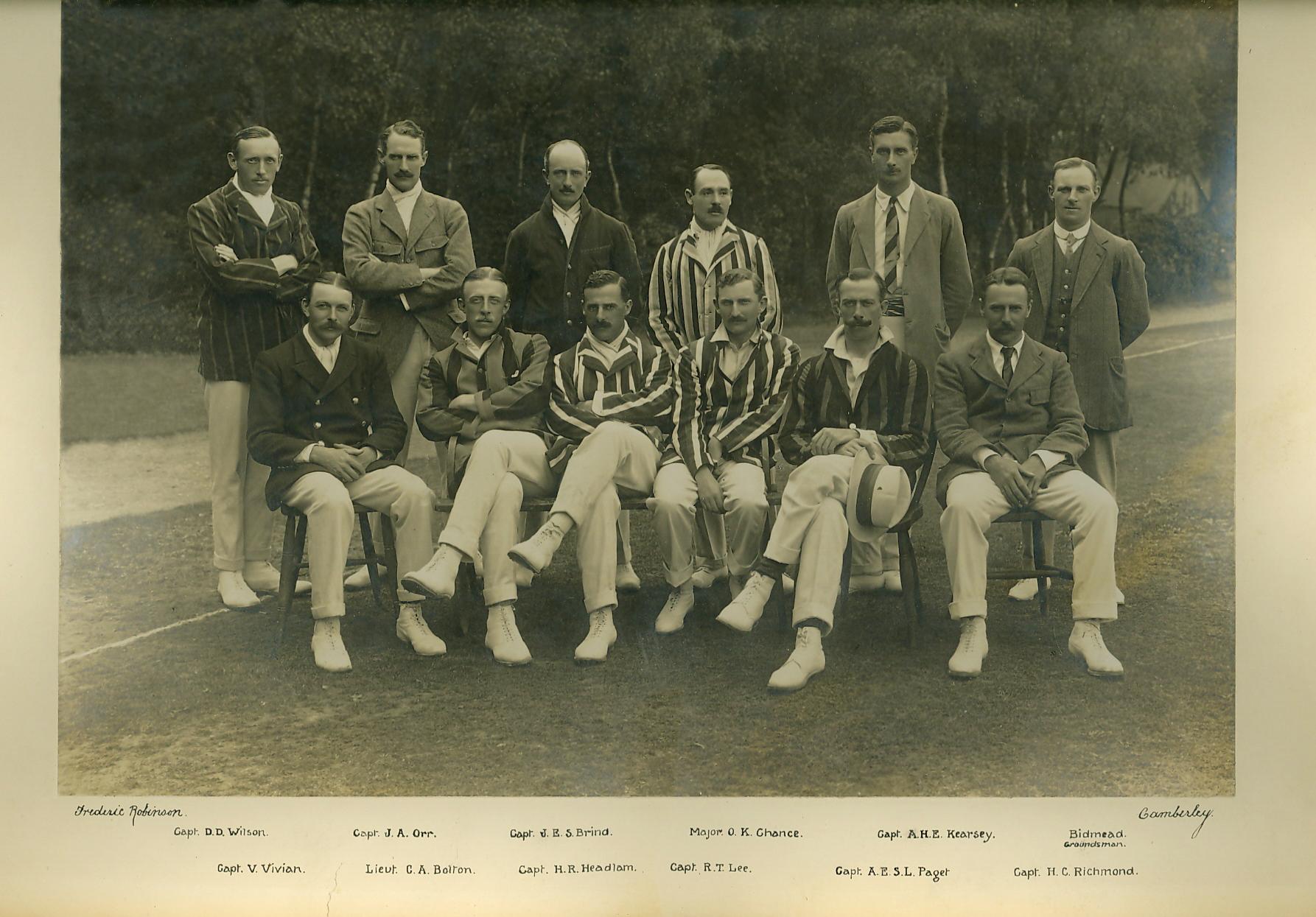
20. Lieutenant Colonel Denis Daly WILSON MC, son of John Gerald WILSON CB and Angelina Rosa Geraldine O'BRIEN, was born on 22 October 1878. He married Mary Henrietta FRANKS on 17 December 1911.
Lieutenant Colonel 17th Bengal Cavalry, Indian Army.
Mary Henrietta FRANKS was the daughter of Capt. Norman FRANKS CIE ( - ). She and Denis Daly WILSON had the following children:
| 45 | Geoffrey Norman WILSON (1912- ). Geoffrey was born on 23 October 1912. |
| 46 | John Denis WILSON (1915- ). John was born on 21 October 1915. |
| 47 | Sylvia Mary WILSON (1915- ). Sylvia was born on 28 October 1915. |
21. Gladys Mary WILSON, daughter of John Gerald WILSON CB and Angelina Rosa Geraldine O'BRIEN, was born in 1880 in Yorkshire. She married John Beaumont HOTHAM on 15 August 1905.
John Beaumont HOTHAM BA (Cantab), son of Charles Frederick HOTHAM ( - ) and Margaret HOME ( - ), was a Clerk in the House of Lords. He and Gladys Mary WILSON had the following children:
| 48 | Dorothy Jean HOTHAM (1907- ). Dorothy was born on 12 August 1907. |
| 49 | Margaret HOTHAM (1909- ). Margaret was born on 14 August 1909. |
| 50 | Anne HOTHAM (1913- ). Anne was born on 27 September 1913. She married Anthony Gardner BAZLEY on 9 February 1934. She married Francis Philip HOWARD on 1 July 1944. |
22. Captain Sir Frank O'Brien WILSON RN, CMG, DSO, son of John Gerald WILSON CB and Angelina Rosa Geraldine O'BRIEN, was born on 30 April 1883 in France. He married Elizabeth Frances PEASE on 25 November 1919 in Middleton Tyas. He died on 7 April 1962 in Kilima Kiu, Kenya.
He was found on an internet search as a cricketer in India, from 1905 to 1906, playing for the team "Europeans (India)".
Elizabeth Frances PEASE was born on 2 August 1894 in Tees Grange.
23. Gerald Geoffry WILSON, son of John Gerald WILSON CB and Angelina Rosa Geraldine O'BRIEN, was born in 1884 in France. He died in December 1896.
24. Geraldine WILSON, daughter of John Gerald WILSON CB and Angelina Rosa Geraldine O'BRIEN, was born in 1888 in Yorkshire. She married Edward RAMSDEN.
Lt-Col Edward RAMSDEN MC, JP was born in 1890. He died in 1985. He and Geraldine WILSON had the following children:
| 51 | Priscilla Mary RAMSDEN (1926- ). Priscilla was born in 1926. |
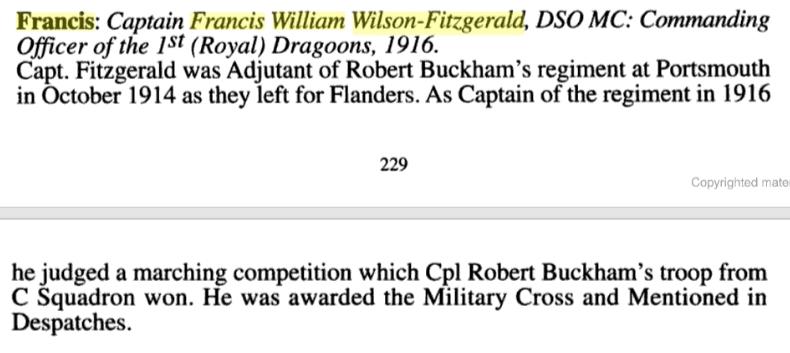
25. Francis William FITZGERALD-WILSON, son of William Henry FITZGERALD-WILSON and Isabella Olave STANHOPE, was born on 8 December 1886. He was a Soldier. He married Phyllis Lockhart GREENSHIELDS in 1922. He died on 4 July 1963.
He was in the 1st Royal Dragoons.
Phyllis Lockhart GREENSHIELDS, daughter of Robert L GREENSHIELDS ( - ), died on 2 May 1964. She and Francis William FITZGERALD-WILSON had the following children:
| 52 | Mary Clare FITZGERALD-WILSON (1925- ). Mary was born on 19 November 1925. She married James Frederick Lowndes DENNY on 1 April 1950. |
| 53 | William WILSON-FITZGERALD (1928- ). William was born on 25 September 1928. He married Jean A BINNY on 28 November 1961. |
26. Olave Clare FITZGERALD-WILSON, daughter of William Henry FITZGERALD-WILSON and Isabella Olave STANHOPE, was born on 11 February 1888. She died in 1912.
27. Mary Stuart BANNATYNE, daughter of James Fitzgerald BANNATYNE and Emily Gertrude WILSON, was born on 1 May 1881. She married Ludovic HEATHCOAT-AMORY on 12 July 1911.
Major Ludovic HEATHCOAT-AMORY, son of Sir John HEATHCOAT-AMORY 1st Baronet (1829-1914) and Henrietta Mary UNWIN ( -1923), was born on 11 May 1881. He died on 25 August 1918. He and Mary Stuart BANNATYNE had the following children:
| 54 | Patrick Gerald HEATHCOAT-AMORY (1912-1942). Patrick was born on 27 April 1912. He died in May 1942 in Libya (killed in action). |
| 55 | Michael Ludovic HEATHCOAT-AMORY (1914-1936). Michael was born on 19 May 1914. He died of He was killed in an aeroplane accident on 7 June 1936. |
| 56 | Edgar Fitzgerald HEATHCOAT-AMORY (1917-1944). Edgar was born on 30 August 1917. He married Sonia Myrtle DENISON on 7 September 1940. He died in June 1944. |
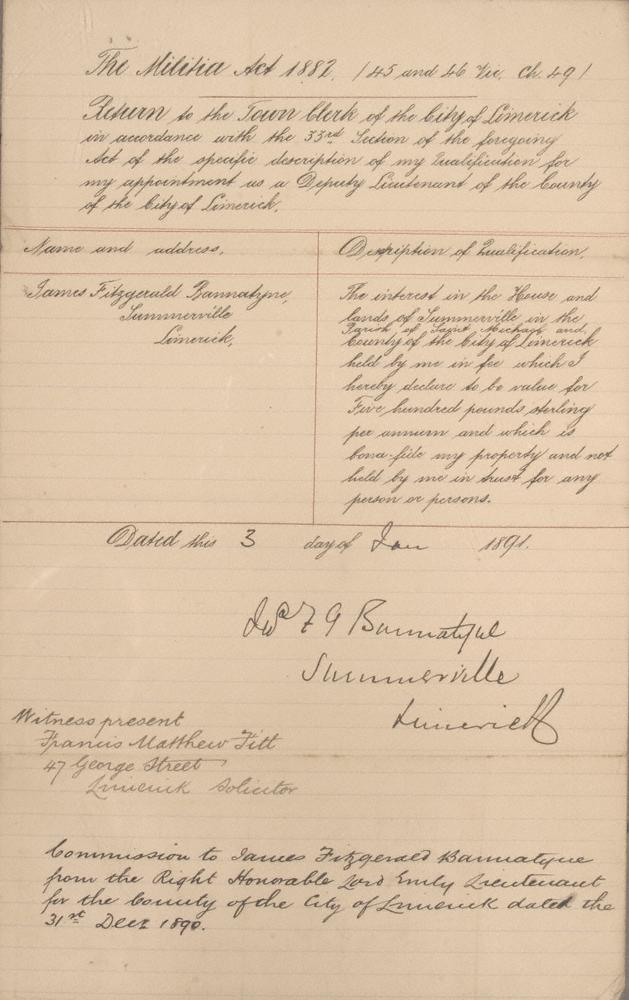
28. James Fitzgerald BANNATYNE, son of James Fitzgerald BANNATYNE and Emily Gertrude WILSON, was born on 25 November 1883 in Ireland. He died on 14 May 1916, a casualty of the war.
In 1901 he lived in Kenn, Devon, England. Bannatyne was a soldier in the 11th Hussars attached to the 23rd Battalion of the Manchester Regiment. "Captain (later Major) James Fitzgerald Bannatyne of the 11th Hussars attached to the 23rd Battalion of the Manchester Regiment was the son of the late James Fitzgerald Bannatyne, JP; DL; of Haldon, Exeter and Fanningstown, Co. Limerick and Emily Gertrude Bannatyne (formerly Wilson) of Collipriest Cottage, Tiverton.. Born in Ireland in 1884. Died 14 May 1916 aged 32.".
29. Victoria Vera BANNATYNE, daughter of James Fitzgerald BANNATYNE and Emily Gertrude WILSON, was born on 11 September 1887 in Ivychurch, Yorkshire, England.
In 1901, she was living in Kenn, Devon.
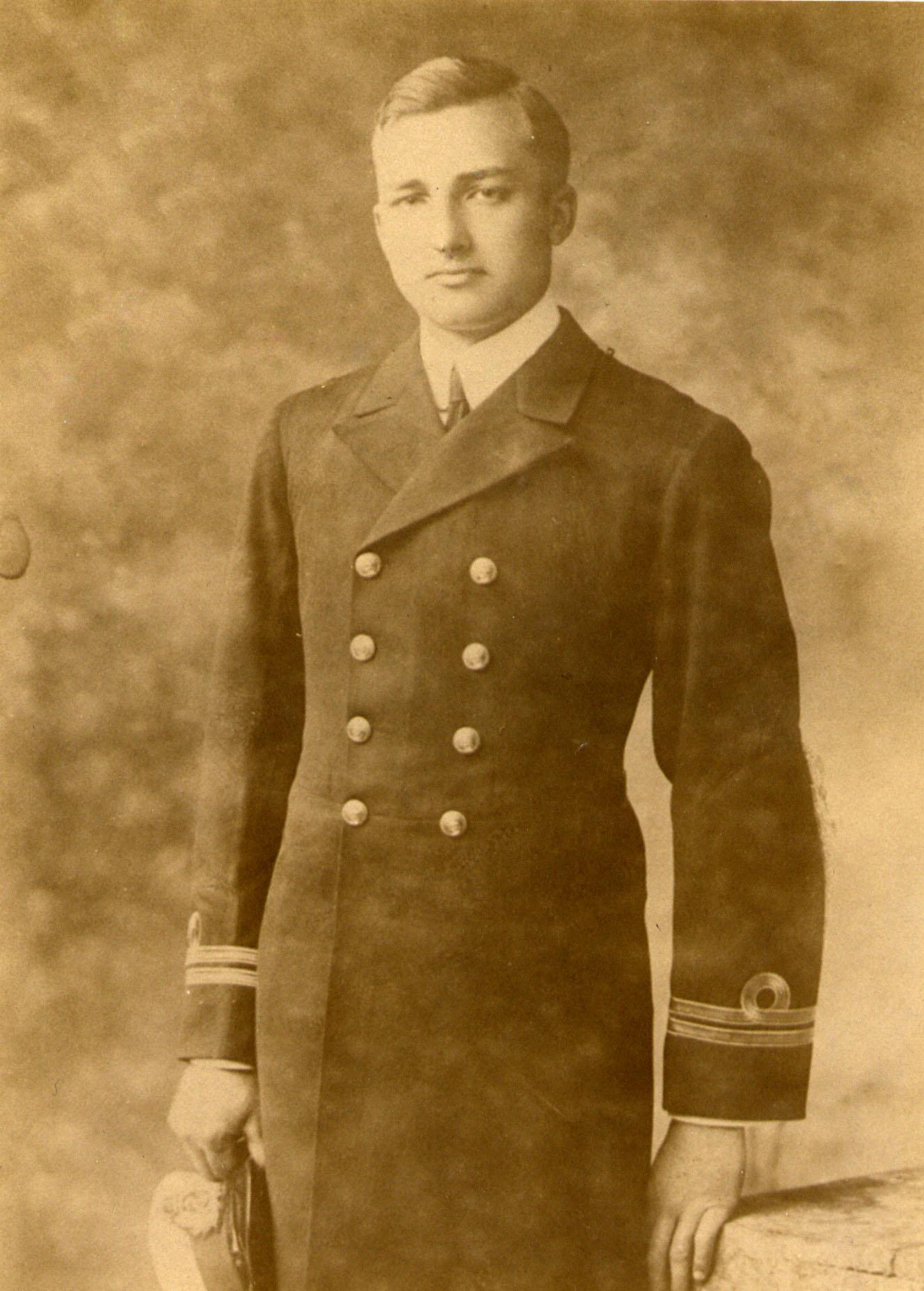
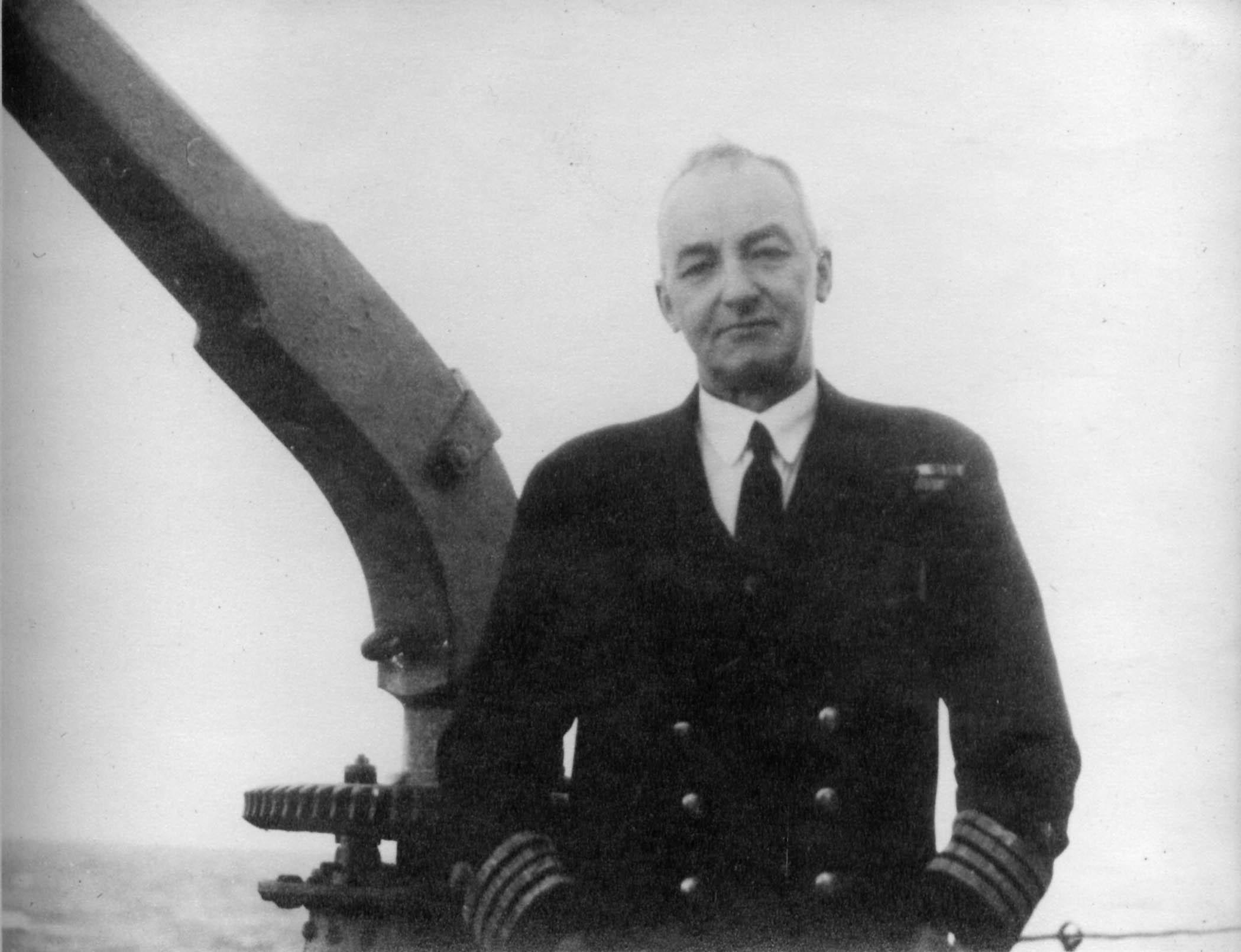
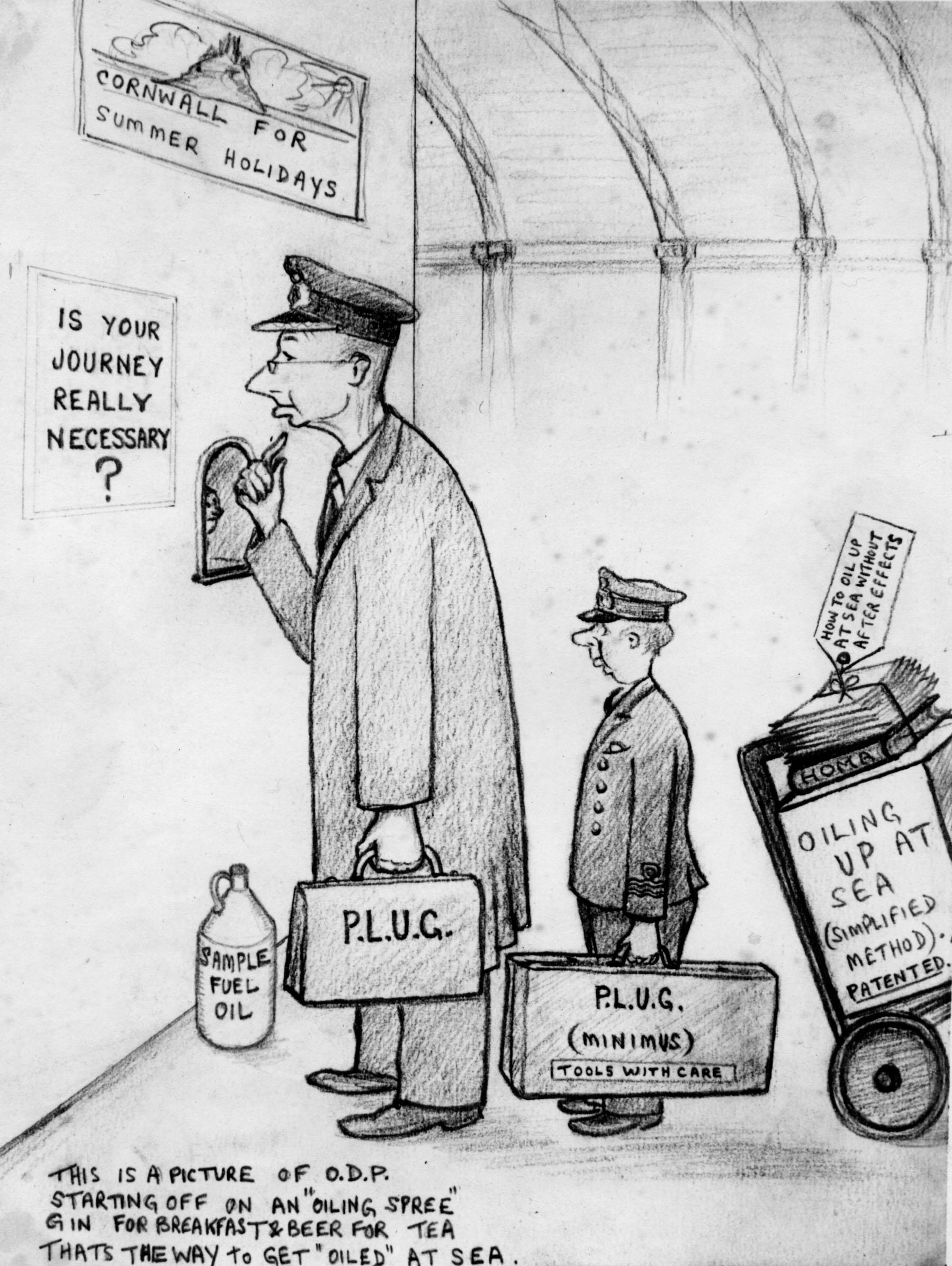
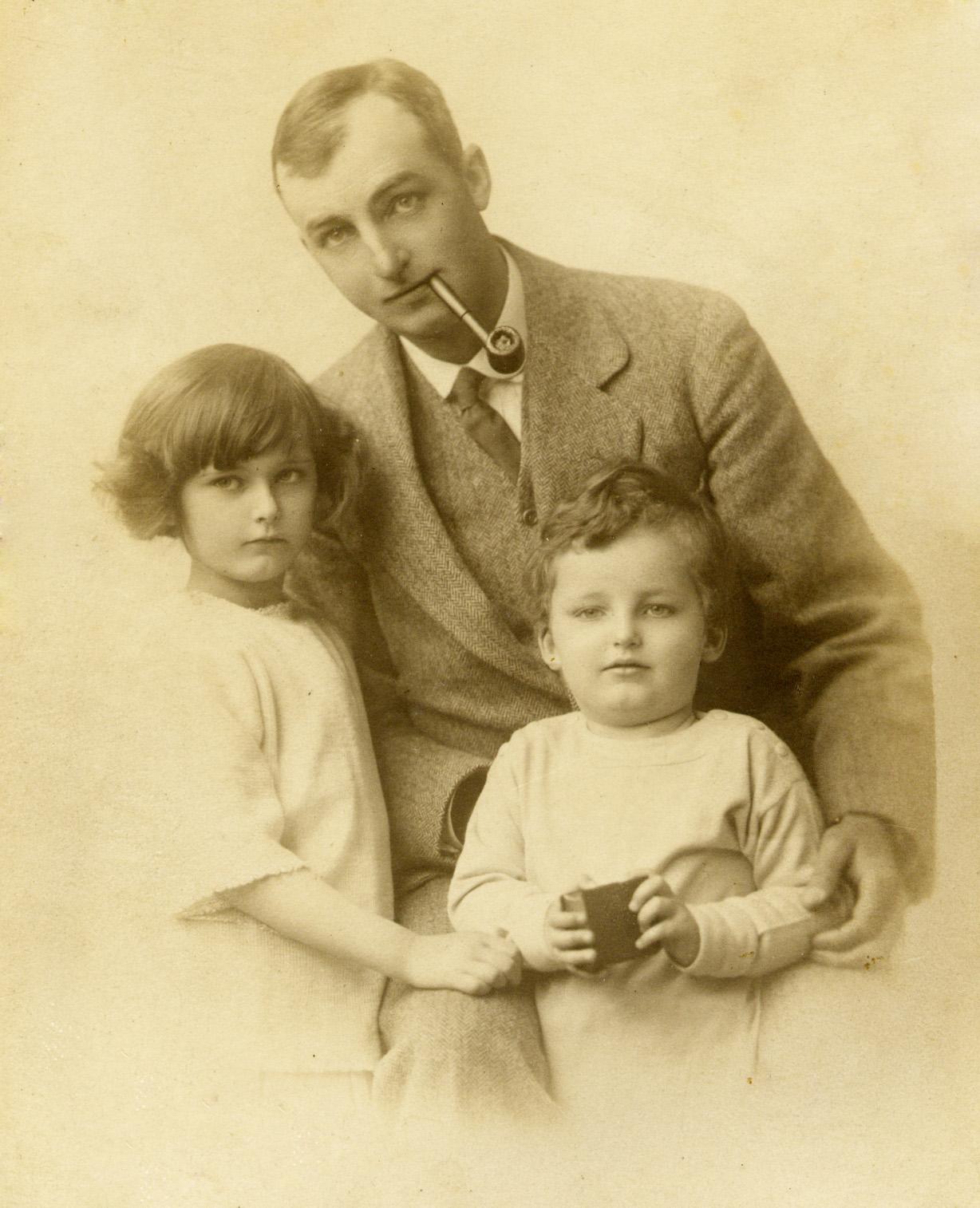


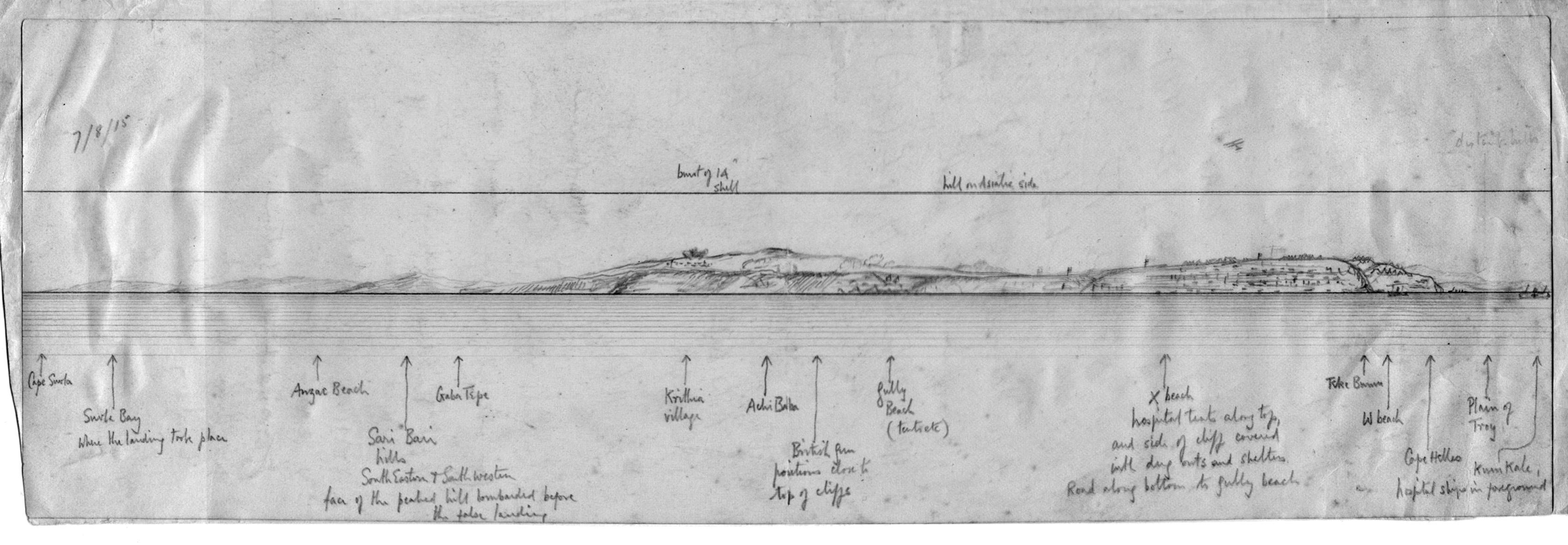
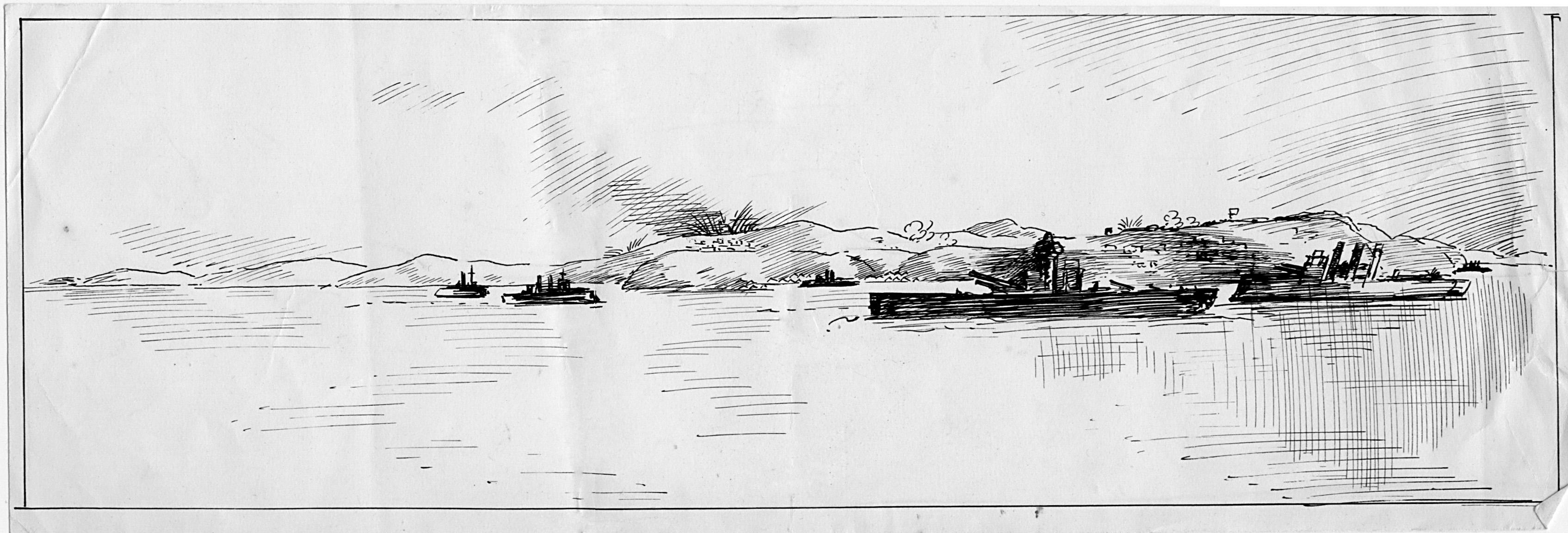
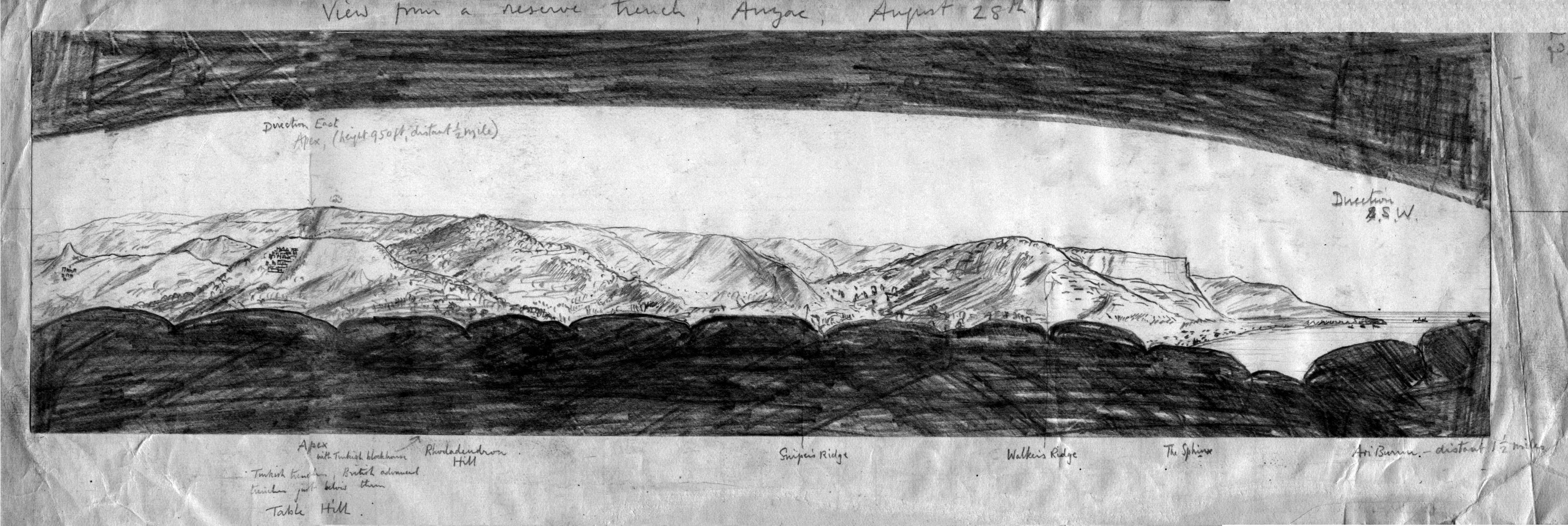
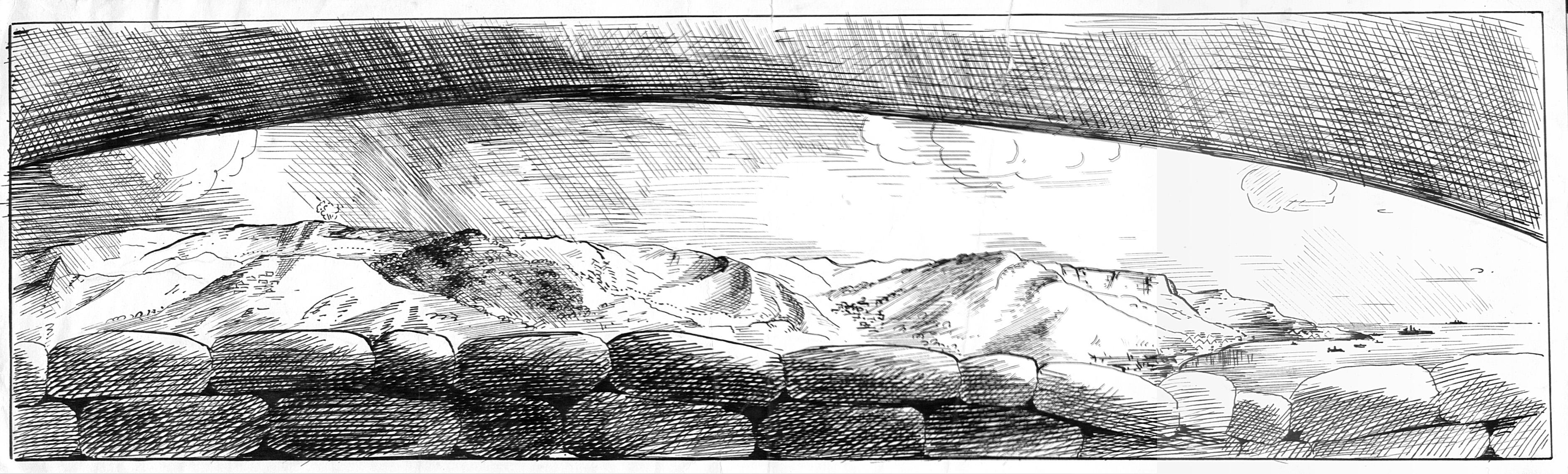
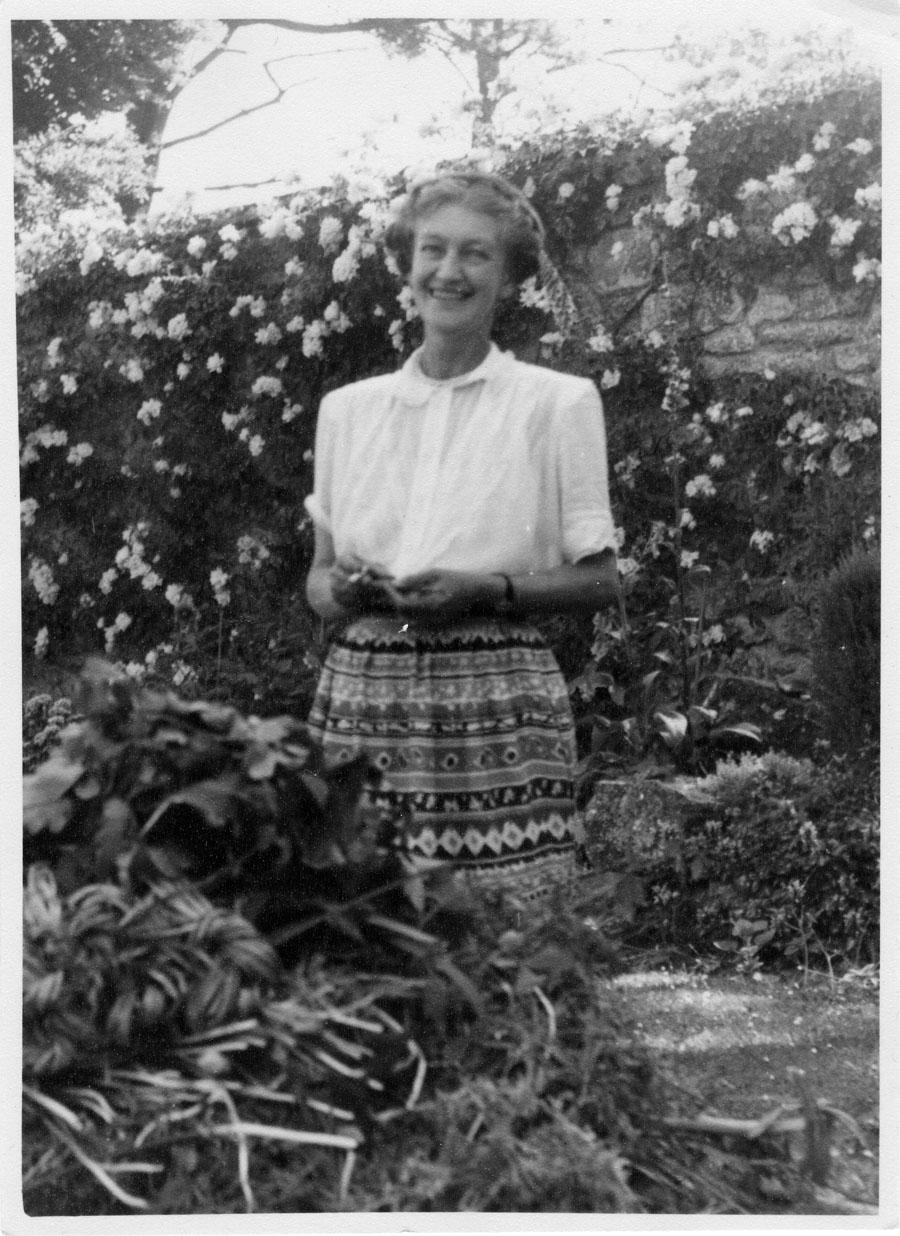
30. Captain Maurice Fiennes Fitzgerald WILSON DSO, RN (known as 'Fiennes', and also as [unnamed person]), son of Maurice Fitzgerald WILSON and Florence May BADNALL, was born on 22 June 1886 in 2 Talbot Villas, Old Dover Road, Gravesend, Kent. He was a Naval Officer. He married Catherine Gladys MURRAY on 4 August 1914 in St Judes, Portsea, Portsmouth, England. He died on 16 February 1975 in Watlington, Oxon. He was buried in Putney Vale Cemetery.
Fiennes, as he was known, had a career as a Naval Officer. His specialism was navigation. He was awarded the DSO for bravery in action during WW1, as well as the equally prestigious Dutch Order of Orange Nassau. (Listed in London Gazette of 25 November, 1947). Fiennes wrote a detailed diary of his WW1 experience - something officers were expressly forbidden to do. Some of that diary still exists, in particular his time aboard HMS Drake in 1914.
He tried, unsuccessfully (but only just) to get onto Scott's Antarctic Expedition, and correspondence about his efforts to be included still exist.
There are many more multimedia records for this entry, which can be via through Flickr.com
At the age of 14, Fiennes was at a school in Greenwich, at 50 Chroun(?) Hill. There appeared to be but 10 pupils (13-15 years of age) and a headmaster and his wife. Interestingly, in the 1891 census, the family is at 27 Sloane Gardens, Chelsea, London. The two boys are there, aged 4 and 2, 5 servants including a "nurse" and "nursemaid", but no sign of either parent!
MFFW was awarded the DSO during the Second Battle of Heligoland Bight in 1917.
This was a naval engagement in World War I. On 17 November 1917, German minesweepers clearing a path through the British minefield in the Heligoland Bight near the coast of Germany were intercepted by two British cruisers, HMS Calypso and HMS Caledon, performing counter-minesweeping duties. The German ships fled south toward the protection of the battleships SMS Kaiser and SMS Kaiserin, commanded by Rear Admiral Ludwig von Reuter. The two cruisers engaged the German battleships, while their own screening force of the battlecruisers HMS Tiger, HMS Renown, HMS Repulse, HMS Courageous, and HMS Glorious of the First Battlecruiser Squadron, commanded by Admiral Sir Charles Napier, were coming up to assist.
All personnel on the bridge of HMS Calypso, including her captain, were killed by a 12-inch shell. HMS Repulse, Captain William Boyle, briefly engaged the German battleships, but the Germans made it back to the safety of their own minefields with the loss of only a torpedo boat.
You will find an account of the encounter in the Gazettes (www.gazettes-online.co.uk). I believe in the 24 June 19 gazette.
"British forces were Glorious, Courageous and eight light cruisers with four battlecruisers in support attemping to attack German minesweeping forces and whatever patrol forces they encountered. They hit upon four German light cruiser under Kontreadmiral von Reuter, which laid smoke and fell back toward two supporting German battleships. Glorious and Courageous fired an awful lot of shells and scored few hits. The worst damaged German ship was the light cruiser Königsberg, which took a 15-inch shell from Repulse."
From the Old Wykehamist
" Register: Wilson, Maurice Fiennes Fitzgerald (D, 1899³ - 1900³), born 22 June 1886, son of Maurice Fitzgerald Wilson, Bagenholt, Dover. Midshipman HMS Drake; Sub-Lieutenant.1906; Lieutenant-Commander HMS Calypso 1918; DSO.
His House annals record that Fiennes was in MP2 when he arrived at the school (being the ‘Middle Part’ of the school, this would demonstrate to me that he was particularly bright – at least he would have been in my day in the mid-60s!) and in MP3 when he left. The annals also state ‘left to cram for R.N, 5th into Britannia 1901’. [Junior Part lies below and Senior Part above (unsurprisingly!), with VIth Book at the peak of the academic streaming.]
Fiennes was only here for a year – in Kenny’s (aka Fearons or ‘D’)".
Fiennes was educated at Winchester College and made a successful career in the Navy, where he was known as one of its most talented navigators. He was awarded the DSO for courage during WW 1, during action on HMS Calypso where the Captain was killed and he was seriously injured, yet remained in charge to bring the ship to safety. Fiennes was also almost chosen to be part of Scott's fated Antartctic expedition, but was in the end left out due to politics: there was controversy about the expedition which centred around the issue of whether the expedition should at heart be a civil or naval venture. After WW 1 Fiennes worked for Admiral Kelly in the fledgling League of Nations. During WW 2 he returned to the Navy and was involved in convoy work , for which, by order of the Dutch monarch, he became a Commander of the Order of Orange Nassau. After WW 2 Fiennes involved himself in a number of occupations, including keeping chickens. He was interested in genealogy, book-binding and had a passion for driving an old Bentley car; this latter had a tragic consequence in his old age when he ran over and killed a young woman (who was known to him) in the village where he lived: he was driving in the dark and had not seen her. Fiennes was known for his quiet courage and great sense of humour.
Catherine Gladys MURRAY (known as 'Gladys'), daughter of Colonel Pulteney Henry MURRAY (1849-1912) and Mary Leaycraft INGHAM (1848-1890), was born on 18 January 1886 in Oswestry (registered). She was born on 18 January 1886 in Oswestry. She died on 12 April 1958. She and Maurice Fiennes Fitzgerald WILSON had the following children:
| 57 | Pamela Fiennes WILSON (1918-2018). Pamela was born on 17 March 1918. She died on 24 April 2018. She was buried on 8 May 2018 in St. Peter's, Hinckley. |
| 58 | Peter Fiennes WILSON (1920-1995). Peter was born on 21 December 1920 in 2 Dartmouth Place, Blackheath. He was born on 21 December 1920 in 2 Dartmouth Pl., Blackheath. He was a Consultant Civil Engineer. He married Iris Margaret MARTIN on 21 May 1949 in Ilminster Church. He died on 31 July 1995 in Warwick Park, Tunbridge Wells. He died in 1996 in Warwick Park, Tunbridge Wells. |
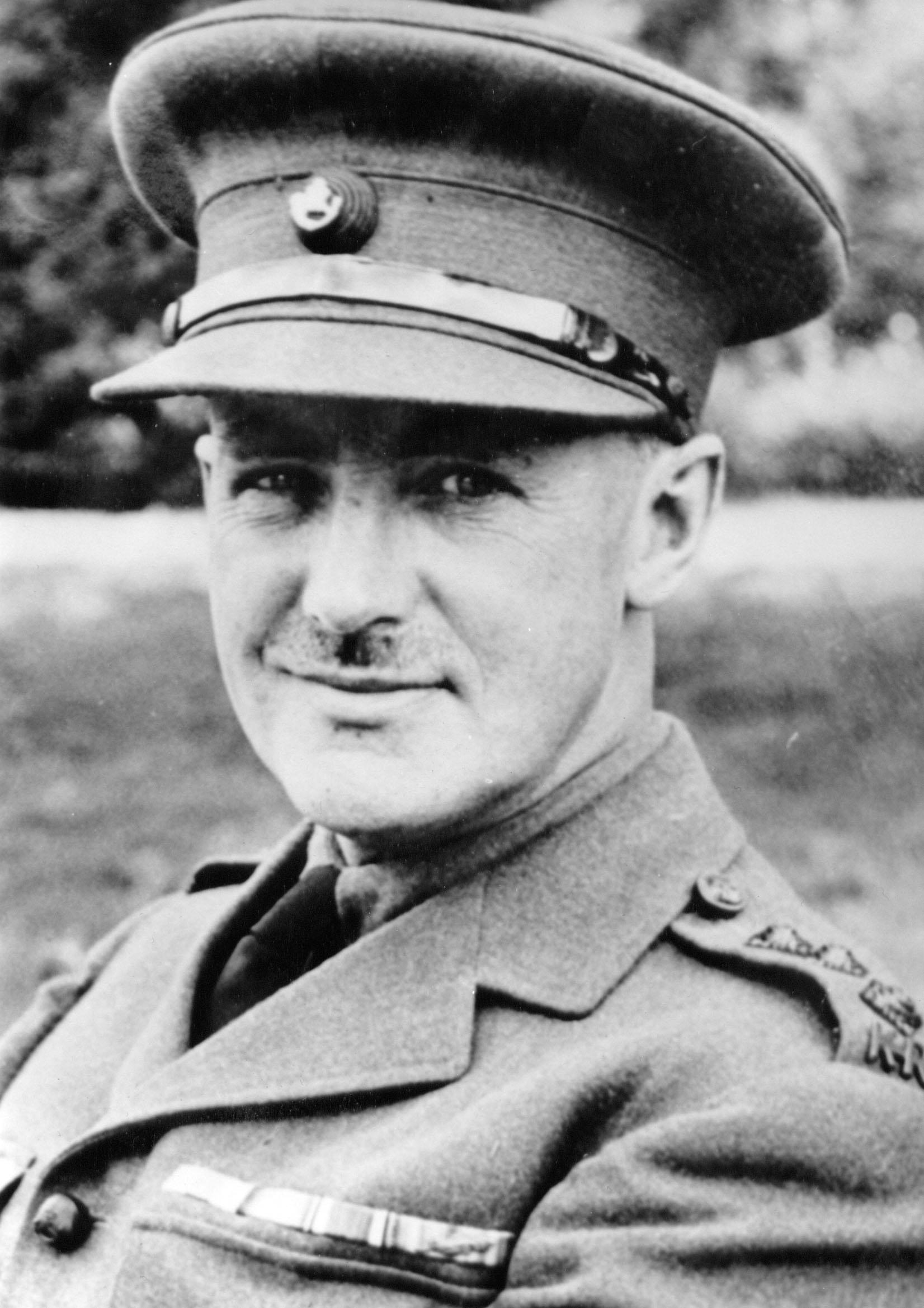
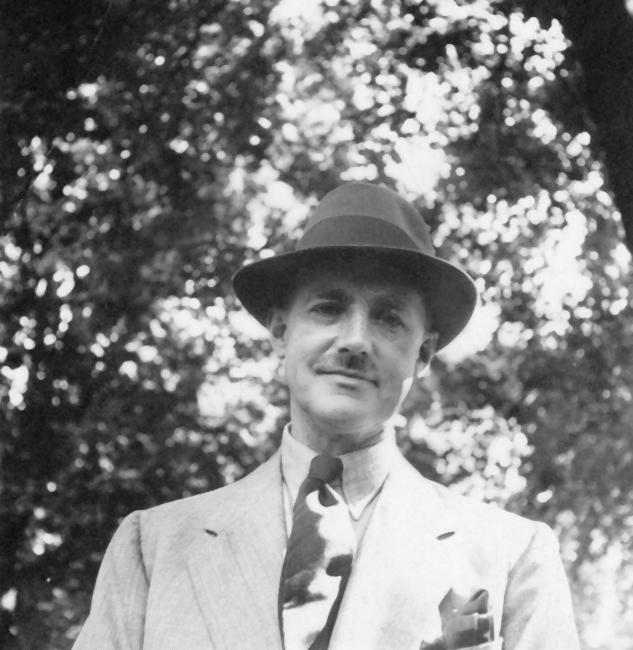
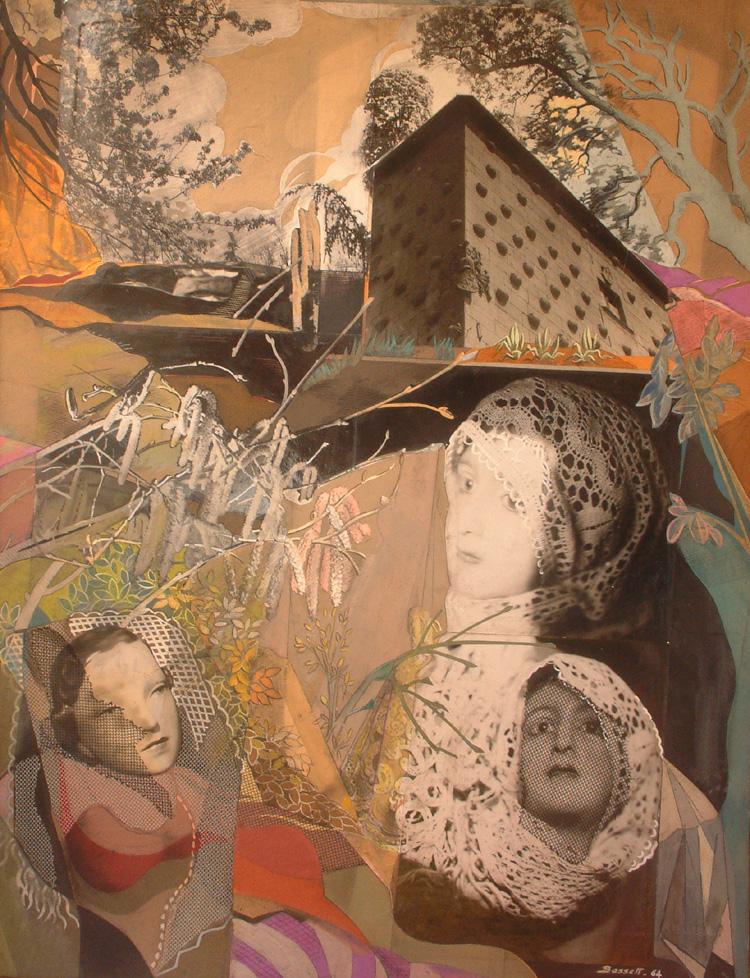
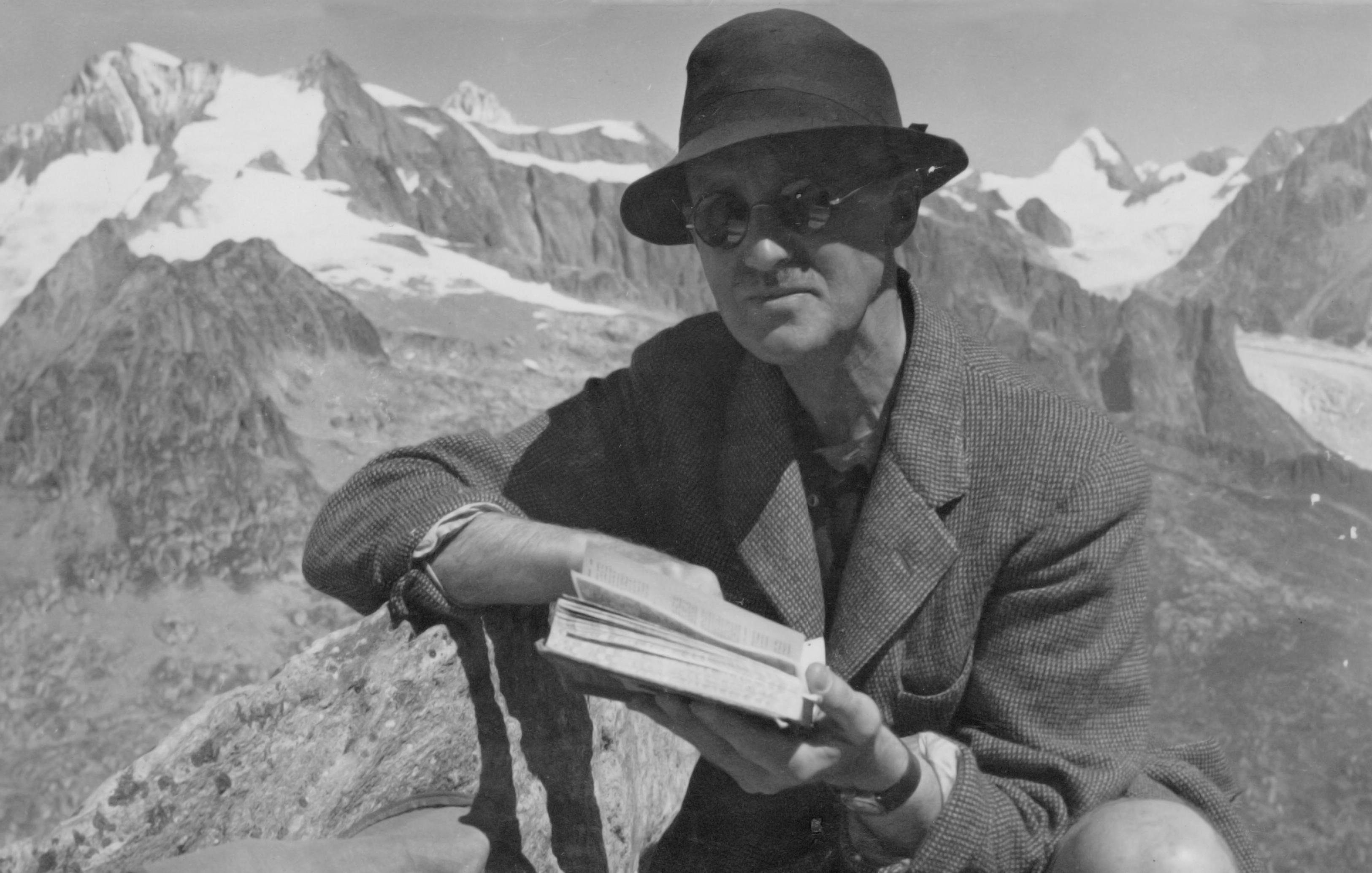
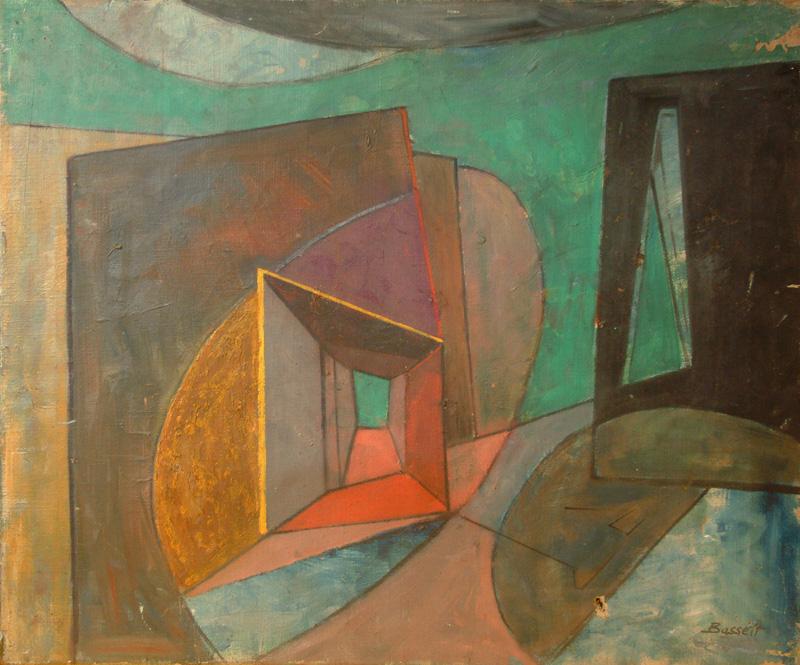
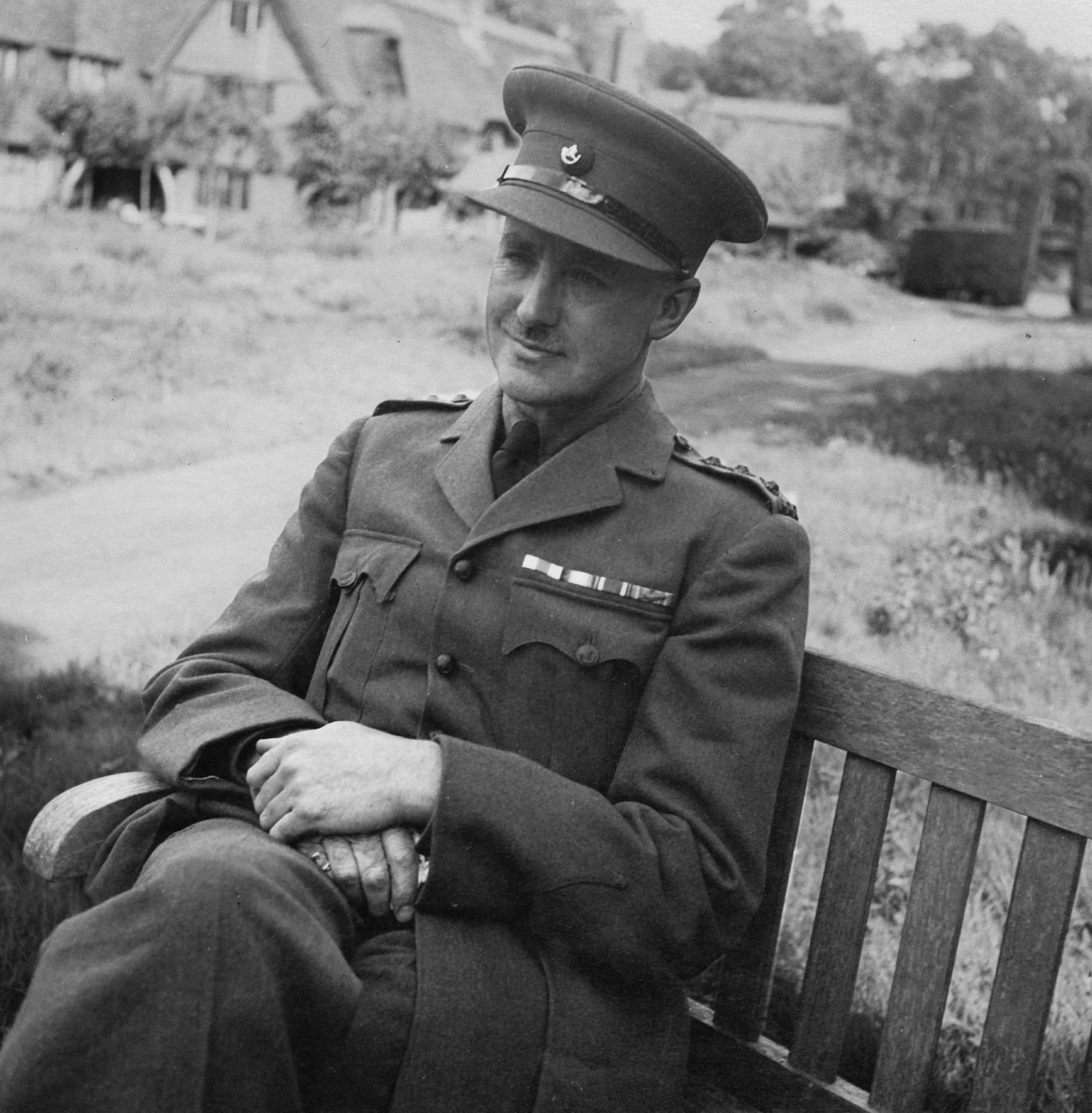
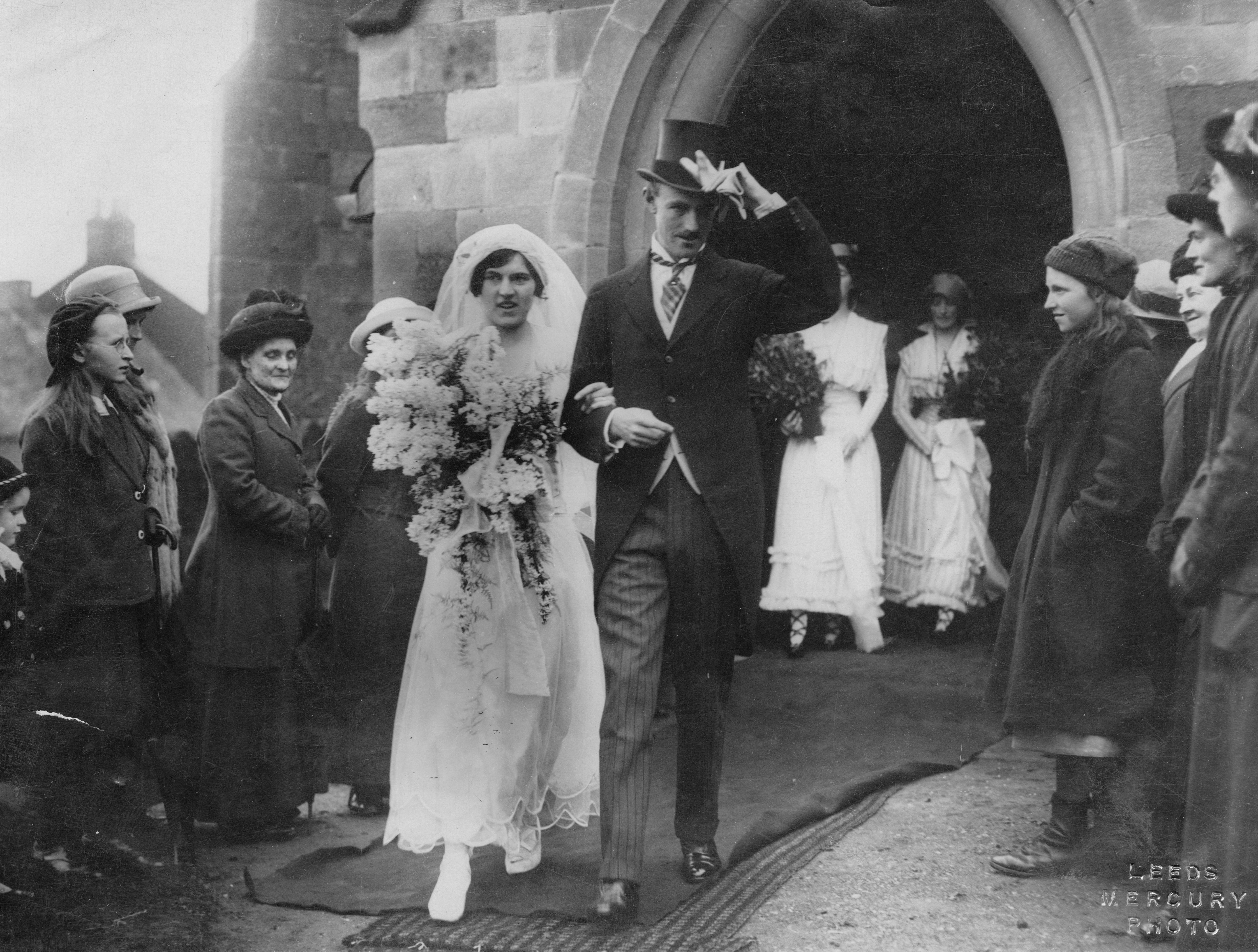
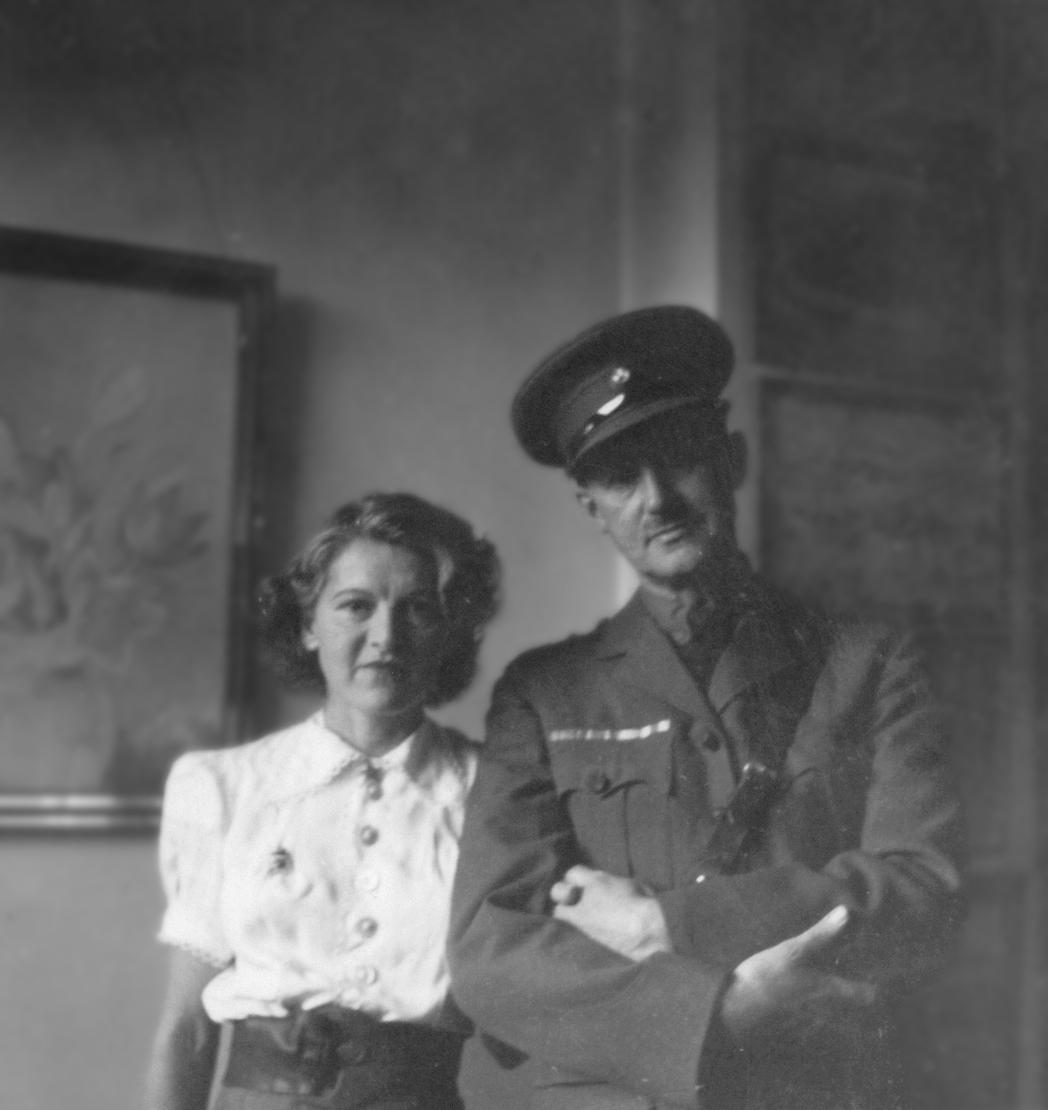
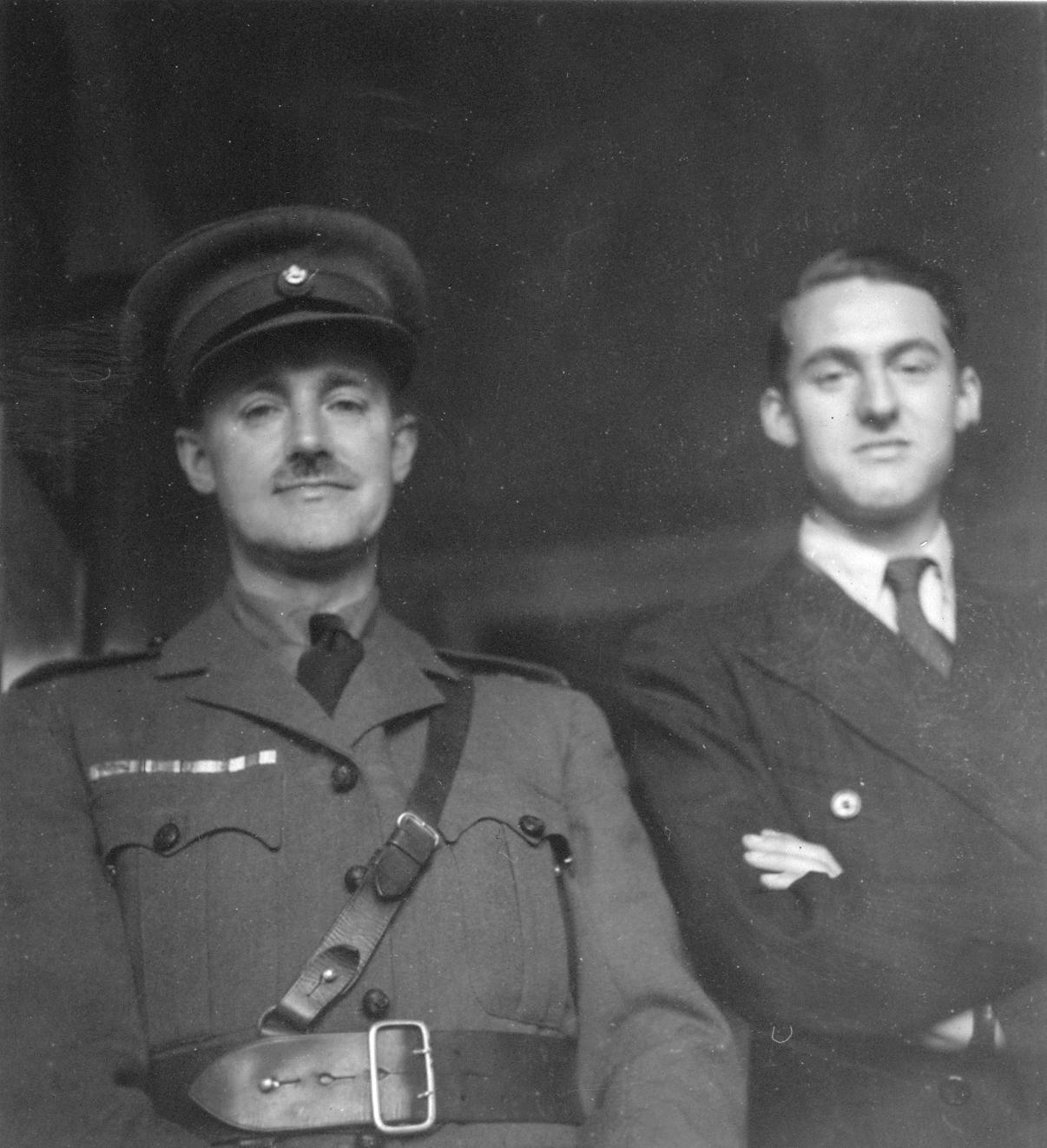
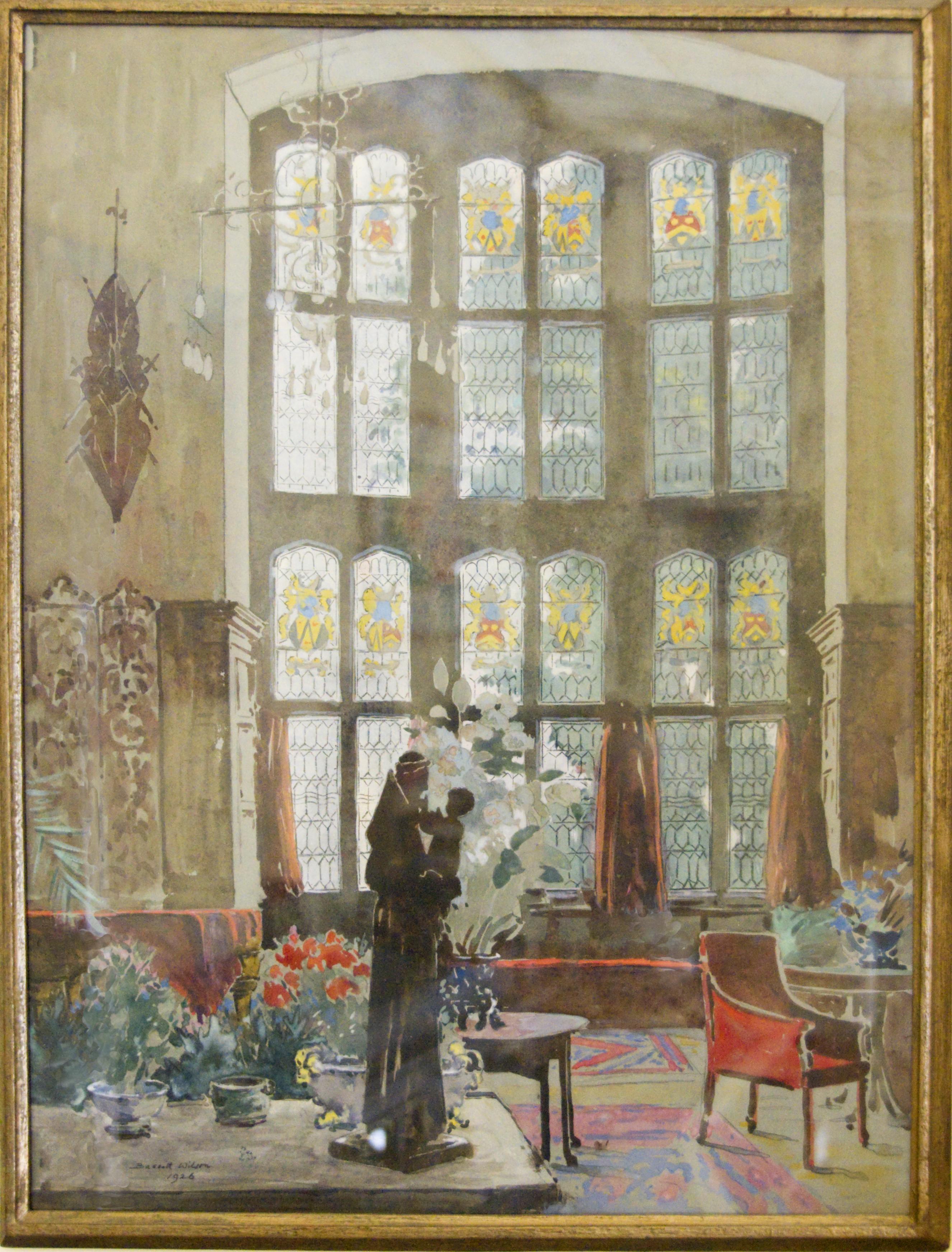
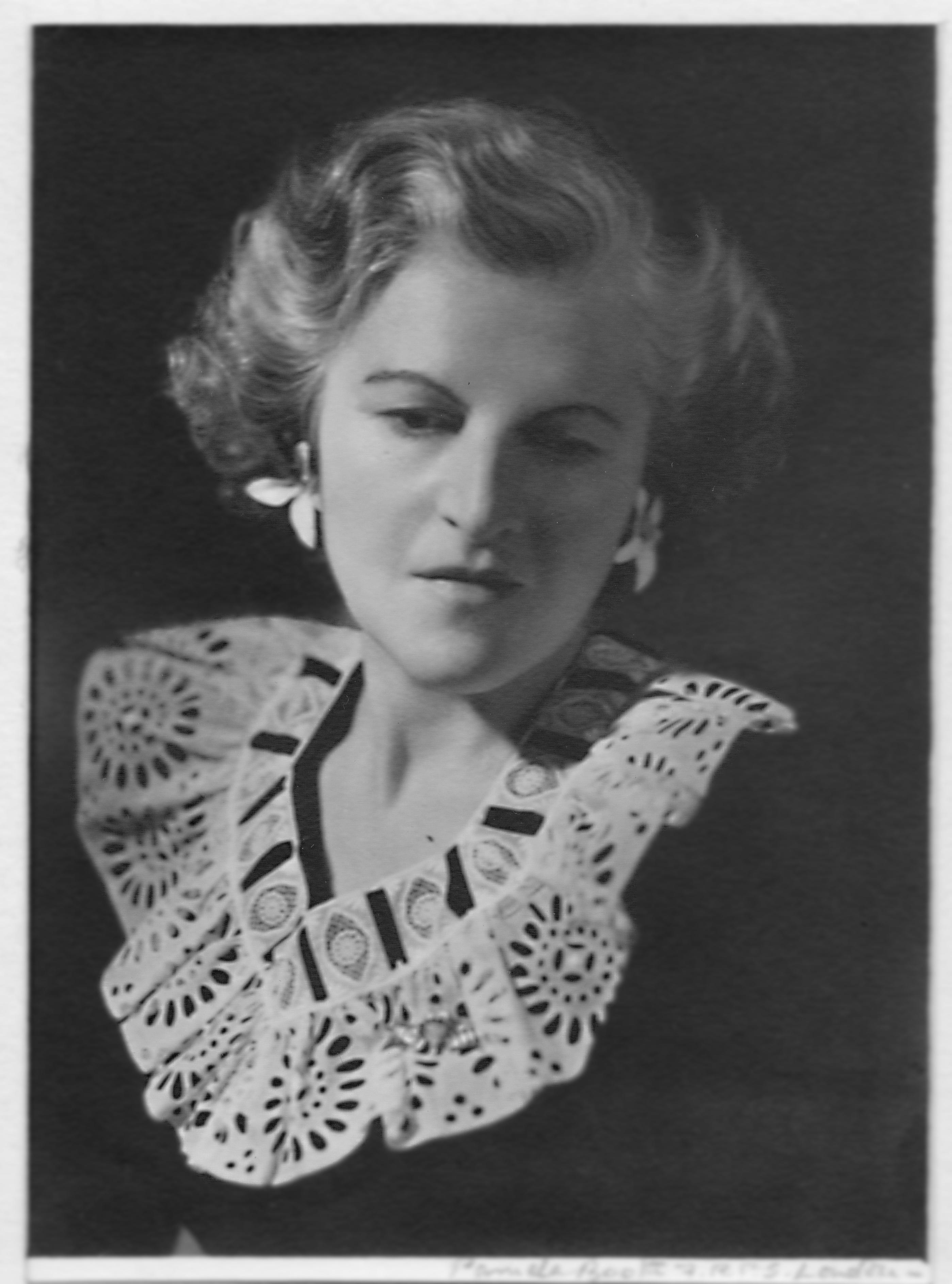
31. Bassett Fitzgerald WILSON, son of Maurice Fitzgerald WILSON and Florence May BADNALL, was born on 1 September 1888 in St. Ives, Cornwall. He was a Soldier, artist. He married Muriel Gertrude SAMUELSON on 24 April 1915. He was buried circa 1941. He died circa May 1972.
Rugby School entry: Wilson, Bassett Fitzgerald, only son of Maurice Fitzgerald Wilson, Esq., Castle Avenue, Dover, aged 14, September 1. Stallard
Bassett studied at Trinity College, Cambridge where he read Law. Took up painting after being injured in the First World War. In 1917 held an exhibition of Western Front work at Walker's Galleries. During the 1920's with his wife Muriel Wilson established his reputation as a painter. Exhibited together in an exhibition in 1921 at Walker's Galleries, then in 1925 in a group show with John Cosmo Clark and Roland Vivian Pitchforth at Goupil Gallery. Bassett held a one man show in 1927 at the Fine Art Society in Bond Street. Were drawn into the modern movement in the 1930's after they moved to Paris and made friends with artists such as Andre Lhote, in whose studio they both worked from time to time. In 1930 showed at Knoedler's in New York and Chicago. Exhibited with his wife at Reid and Lefevre Gallery in London; Darlington Municipal Art Gallery - Bassett's watercolour was purchased by the town's permanent collection, at Salon des Tuileries and Galerie Gerbo in Paris (where Bassett's Stacked Chairs was selected for particular mention in Sud) and with Rhyma Grop at Helsingfors in Finland ( the two Wilsons and Lhote were invited to represent the best and most modern in European art) in 1934. In 1935-37 showed in a number of exhibitions in Paris. Bassett joined the British Expeditionary Force in his old rank of Captain for the duration of the Second World War. In 1946 Bassett held a large retrospective at Galerie du Bac, Paris from which National Museum of Modern Art, Paris purchased one work from his Chairs series - the Chairs of Luxembourg Gardens. Patrick Seale held a show of Wilson's work in 1981.
Early in May 1972, in the national obituary columns, appeared the name of Brigadier Bassett F. G. Wilson OBE. MC. Croix de Guerre, who had just died in London, aged 83. The paragraph following told of his service with the King's Royal Rifle Corps and the 4th American Corps in World War 1; of his service on Montgomery's staff and as Provost Marshal of the 21st Army Group in World War II; of his subsequent chairmanship of the RMP Association. Then, as an after-thought "artist who held exhibitions of paintings under name, Bassett."
When the Brigadier's widow, Muriel, died in October 1977, her obituary made no mention at all of the fact that she too, had been an artist. Yet in the 1930's Bassett and Muriel, to give them the names by which they chiefly signed their work at that time, had been accounted among the foremost of European painters.
Both were virtually self-taught. Bassett, after school at Rugby where he was an almost exact contemporary of Rupert Brooke, though not in the same house, went up to Trinity College, Cambridge, where he read Law. After graduation he had a short period as a very junior diplomat, then joined a flourishing law practice in London, before becoming a soldier in 1914 at the outbreak of War.
Severely wounded in France, he was advised by the M.O. to take up sketching in convalescence, as a way of improving the impaired co-ordination between eye and hand. He found he had a natural aptitude for drawing and painting, which he put to such good use when he returned to active service that he was able, in 1917, to mount an exhibition of Drawings and Watercolours of the Western Front at Walker's Galleries in Bond Street. As a serving officer he could not exhibit under his own name; and therefore chose the nom de pinceau Basfi du Bleu (significantly French, one may think, in the light of his later artistic development).
Muriel, one of the three children of Sir Francis Samuelson, 3rd Baronet, and his Canadian wife, Fanny Isabel Merritt Wright, had the usual upbringing of a girl or her time and place in Society. She too was found to have an aptitude for painting, chiefly watercolour landscapes and flower pieces. Her first recorded exhibition was a joint one with Bassett, again at Walker's Galleries, in 1921. No press cuttings survive, but it would seem to have been a success, since each had at least one watercolour reproduced in art magazines "Muriel's Violets in Bowl in "Drawing and Design¡", Bassett's Red Roofs and Poppies in "Colour".
In the 1920's both consolidated their position as good traditional English painters, with submissions to a group show at the Goupil Gallery in 1925 (where their fellow exhibitors included future R.A.'s Cosmo Clark and Vivian Pitchforth); Bassett in 1927 with a one-man show at the Fine Art Society in Bond Street of Watercolours of Italy, Spain and London which earned him the good opinion of the critics ("An amateur artist of exceptional talent, he can give points to many fulltime professional painters"); Muriel in 1929 by inclusion in Lord Duveen's British Artists' Exhibition at the Walker Gallery, Liverpool, and with a major show at Alex. Reid and Lefevre in London, which elicited high praise in the Sunday Times from the critic and historian of the Modern Movement, RH Wilenski, and from which a flower piece was bought by the Contemporary Art Society and presented to Leicester City Art Gallery, where it remains in the permanent collection.
This then was their situation at the end of the decade. Muriel, a Society painter of professional standard, was gaining renown for her decorative flower pieces. Bassett, a successful lawyer, was a Sunday and holiday painter, specialising in landscape watercolours and drawings. They lived in a fine small Town house in Knightsbridge, carrying on an easy and agreeable existence with their only son, Paul. Yet encouraged by good reviews "the praises of such as Wilenski, PG Konody of the Observer, Rom Landau of the Frankfurter Zeitung, the connoisseur/collector Dr. GC Williamson" and most of all by an overwhelming and passionate love of painting, they relinquished all these seeming advantages, sent Paul to boarding-school, and removed to Paris.
Their arrival at 23, rue Campagne-Première in Montparnasse marks their transition from above-average amateurs to superb professionals of the then unequalled Ecole de Paris. Not, of course that the change took place overnight. But the new environment resulted in an immediate lifting and liberation of the spirit. I know from my own experience, twenty years later, of the difference between London and Paris for a practitioner of the arts.
A guest at a dinner party in London, introduced as a writer, a musician, a painter, invariably faces the question, often enunciated, always implied "Yes, but what do you really do for a living?". In Paris "the Muse must be protected". This was said to the present writer not by some great patron of the arts, but by the keeper of a now defunct flea-bitten rooming house in the rue Monsieur-le-Prince as he transferred me, at no extra charge, from a noisy uncomfortable room on the street to the best his establishment could offer, an inner courtyard room with a window overlooking the minute garden.
Even more so was the Muse respected and protected in the Paris of the 1930's. And quickly the Wilsons made friends with their fellows in the Quarter "with André Lhote, in whose studio both worked from time to time; with the author Henri Heraut; with the photographer Marrc Vaux; and with Man Ray, under whose guidance Muriel became an expert creative photographer.
Naturally in such an environment, and able all day and every day to draw and paint uninterruptedly, their work flourished. In Spring 1930 they crossed to the USA for exhibitions at Knoedler's in New York and Chicago, in the catalogue foreword to which RH Wilensky advises collectors "buy them now, and be accounted men of foresight when the Wilson become more famous in a few years time."
In 1934 began the long sequence of exhibitions which were to give body to that prediction. In January at the Reid and Lefevre Gallery in London; in March at the Darlington Municipal Art Gallery, where their "modern" work caused uproar, and from which a Bassett watercolour of the Dordogne in the old style was bought for the town's permanent collection where it is still to be seen. In May both exhibited in the Salon des Tuileries in Paris, where Bassett was compared favourably with Jacques Villon by the French critic of the Gazette des Beaux Arts; in June at the Galerie Gerbo in Paris, where Bassett's Stacked Chairs, of which there is a later version in the present exhibition, was selected for particular mention in Sud; in July in a group show of English and American artists in Paris at L'Association Florence Blumenthal; in November with the Rhyma Group at Helsingfors in Finland.
The two Wilsons and Lhote were invited to represent the best and most modern in European art by a large group of Finnish artists. Matti Waren, secretary of the group, wrote after the show: "We are sure that your beautiful pictures, which you have so kindly sent to us to make our exhibition a great event in our art life, will have a stimulating effect on our painting ... The work of a pioneer is not a grateful one, if you consider the economical result, but its significance cannot be overestimated."
In the following year an even more important invitation was extended to Bassett and Muriel. A committee of French artists organised the first Salon du Temps Présent, the avowed aim of which was "to wage war on the revival of academicism". The Wilsons were the only English artists invited to submit work for consideration by the all-French artist jury. Both had work selected by that jury for exhibition alongside Dufy, Friesz, Miro, Bores, Kisling, Delaunay and Matisse. Their acceptance as full members of the School of Paris was complete.
In the following two years (1936/7) they were again both selected for the 2nd and 3rd Salons du Temps Présent (the latter being mounted in Durand-Ruel¡'s famous gallery). They showed also at the Paris Salons d'Art Mural and des Indépendants; at the Office of Spanish Tourism, and at the Galerie Katia Granoff. It was at this time that Bassett began the systematic use of collage, initially as a means of working out his compositions, but developing it into a full-blown medium as shown in Salzburg and Passage Interdit, collages in the present exhibition, and much later (in the 1960's) often incorporating some of Muriel's photographic prints of the 1930's.
Muriel for her part, joined on each of his school holidays by Paul, became enraptured by the celebrated Paris circuses, where she made photographs which she used as aide-memoires for the creation of such paintings as the masterly Cirque d'Hiver I and II in the present show. Each long vacation too, Paul himself, showing some aptitude for drawing and painting, joined his parents in a journey to some hitherto unexplored part of Europe - Italy, the Adriatic Coast, Yugoslavia, Turkey, Austria, Czechoslovakia, and once, Russia (the chief outcome of which was Bassett's massive Allegorical Ikon, not in the present show).
The 1939 war put an end to all this activity. Bassett, though two days beyond his 51st birthday, and unlike some of his Paris-based compatriots who took the first boat-train out of France to America, and were not seen again on this side of the Atlantic until 1946, joined the British Expeditionary Force in his old rank of Captain. Muriel at first organized refugee reception in France, and after Dunkirk, worked with the Motor Transport Corps in England. Paul joined the army, in the fullness of time becoming a Commando Captain.
World War II brought much misery to many, and to the Wilsons perhaps more than their share. Almost all their paintings of 1938 and 1939, conserved in their Paris studio, were looted or destroyed in the Occupation. In the last days of the war in Europe Paul Bassett-Wilson MC, leading No.3 Troop of the 9th Commando, was killed in Italy.
For a decade and more the grieving Muriel painted not at all. Late in 1946 Bassett accepted an invitation to mount a large retrospective at the Left Bank Galerie du Back, from which the Musée national d'art moderne in Paris bought one of his Chair series "the Chairs" in the Luxembourg Gardens. Again, Wilenski wrote the catalogue introduction, and concluded of Bassett what might with equal reason apply to Muriel "If Bassett's English Muse, afraid of seeming dry and Puritan and stay-at-home, occasionally dons gold and scarlet, emerald and russet skirts, peacock bodices, mantillas and high combs to challenge her adventurous sisters of the Ecole de Paris, we must not reproach her for conduct unbecoming an English lady, but rather applaud her enterprise and courage."
Max Wykes-Joyce
Member international Association of Art Critics
London Art Critic, International Herald Tribune
There are many more multimedia records for this entry, which can be via through Flickr.com.
Muriel Gertrude SAMUELSON, daughter of Francis Arthur Edward SAMUELSON Bart. (1861-1946) and Fanny Isabel WRIGHT ( - ), was an Artist. She died in October 1977. She and Bassett Fitzgerald WILSON had the following children:
| 59 | Paul Francis BASSETT-WILSON (c. 1921-1945). Paul was born circa 1921. He/she died on 2 April 1945. He/she was buried in Ravenna War Cemetery IB 12. |